Jul 27, 2015
That behavior did not change last weekend, when they were chanting, again, 'Death to America.'
The Public Record
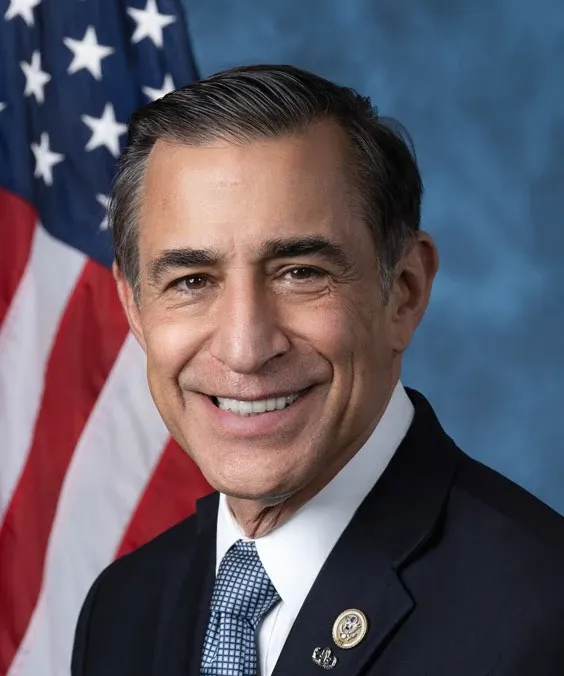
Edward R. Royce is a former U.S. Representative for California's 39th congressional district, serving from 1993 to 2019. A member of the Republican Party, Royce was known for his work on foreign affairs and trade issues during his tenure in Congress. He served as the Chairman of the House Foreign Affairs Committee, where he focused on international relations and security matters. Royce was also involved in legislation aimed at supporting religious institutions and community service initiatives.
That behavior did not change last weekend, when they were chanting, again, 'Death to America.'
I believe that Israel, the region, and the world are far more secure if Iran does not move toward the possession of a nuclear weapon. I believe the agreement is the best way to achieve that.
I think it upgrades its ballistic missile program in this, over the time of this agreement.
I believe this treaty will empower the mullahs and make conflict more likely.
If we walk away from this agreement, what in your analysis is likely to happen?
I think it is important for Congress to reject the agreement and in its place insist on a return to the negotiating table to seek an outcome that meets U.S. national security goals.
Our national technical means won't be sufficient for verifying this agreement. Without an invasive inspection regime, I would not tell you we will know enough to give you sufficient warning.
If the President believes that the Treasury can enact effective economic sanctions in the future, then such an option surely exists today.
What can we do to ensure that we just don't find ourselves in the same place we are today in the year 2030?
Congress needs to weigh these two much more dangerous scenarios against the scenarios that I have outlined in considering whether or not to disapprove of this deal.
I have a fundamental concern that 15 years from now Iran will essentially be off the hook.
If the agreement moves forward, Congress should make clear that any cheating will result in the immediate termination of the agreement.
I think the Iranians will respond in a way that they will be able to move more quickly in terms of revving up their nuclear program than we will be able to in terms of renegotiating or putting in more sanctions and leverage.
I want to thank the NCUA for its recent efforts in working to provide regulatory relief to credit unions that are sound, and safe, and stable.
The suspect site inspections are, as I say, a fatal flaw in this treaty, because that is where Iran is going to cheat.
I think the need for cross-border resolution of compromised financial institutions was made pretty painfully apparent during the 2008 global financial crisis.
The President clearly had a Plan B in mind during the negotiations or he would not have threatened to walk away from the table.
I have often heard the argument that despite its many flaws, we should go along with this agreement, because it is the best that we can do.
With this agreement, the head of Iran's elite Quds Force, responsible, by the way, for the death of hundreds of American troops, this individual gets removed from a key sanctions list.
Politicians like Ed Royce