May 8, 2019
We are import-reliant for 14 of the 15 minerals required in most renewable energy technologies.
The Public Record
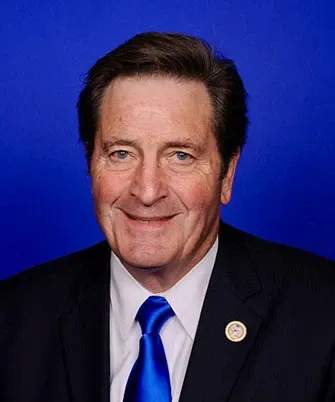
Alan S. Lowenthal is a Democratic politician from California, born on March 24, 1941. He served as a member of the U.S. House of Representatives from 2013 to 2023, representing California's 47th congressional district. During his tenure, Lowenthal focused on issues such as education, healthcare, and environmental protection, advocating for policies that support working families and promote sustainable practices. He has a background in academia and local government, having previously served in the California State Assembly and as a Long Beach city council member.
We are import-reliant for 14 of the 15 minerals required in most renewable energy technologies.
Hardrock mining is critical to our national security, manufacturing, and infrastructure sectors, and even renewable technologies.
This legislation is designed to cripple the domestic mining industry by making new and existing operations unprofitable.
Congress should do more the make sure resources are properly allocated and priorities identified to improve overall U.S. presence and reduce the likelihood of incidents in the region.
These are just good intentions without the resources we need to protect American interests in the Arctic.
By investing in critical maritime transportation infrastructure over the next one to three years, Congress would send a message not only to our friends in the Arctic but to the world at large that the U.S. is committed to securing its own…
I am proud that the U.S. brokered the Central Arctic Ocean Agreement to prevent over-fishing in the Arctic.
The federal government has a responsibility to lead by example by supporting sustainable, resilient buildings and should seek to incorporate greenhouse gas emissions into procurement decisions.
We look forward to working with you on the development of an ambitious infrastructure package this year.
We also encourage policies that will prioritize built infrastructure designed to withstand higher floods, stronger storms, and other hazards of extreme weather events exacerbated by climate change.
I thank you for listening to my testimony regarding the careful balance the Navajo Nation and Federal Government must strike in the protection of greater Chaco and the economic sustenance of our government and its people.
It is crystal clear that where oil and gas development occurs, robust state and Federal actions are needed to protect the public's health and the places and landscapes that the people who live there value.
The governor has also led New Mexico to join my own state of California in committing to a 100 percent carbon-free electric grid.
The Subcommittee is meeting today to hear testimony on the impacts of oil and gas development on air quality and sacred sites.
While the Federal Government refuses to do its job to hold companies accountable, state officials, such as Governor Michelle Lujan Grisham, are taking the lead, coming up with new ways to reduce the harmful effects of oil and gas…
The folks that come through Los Angeles, as an example, pay more than $200 million a year in harbor maintenance tax, yet they don't see necessarily the dividends returned in further investment in that infrastructure.
I am very honored to represent the Port of Long Beach. At one time, I represented in the State legislature both ports.
Congressman Lowenthal led an effort in the early part of that decade to work on distributing trucks in a better way to reduce idling, congestion on our freeways.
I look forward to working with all of my colleagues as we find common ground to address the continuing needs of all our ports and harbors.
Full utilization should be supported across the board--as it benefits everyone.
Politicians like Alan Lowenthal