I urge approval of H.R. 1931. The sponsor of the legislation, Representative Matsui, and also Representative Case have made, I think, the profound argument for the legislation and its support. Mr. Speaker, I yield back the balance of my…
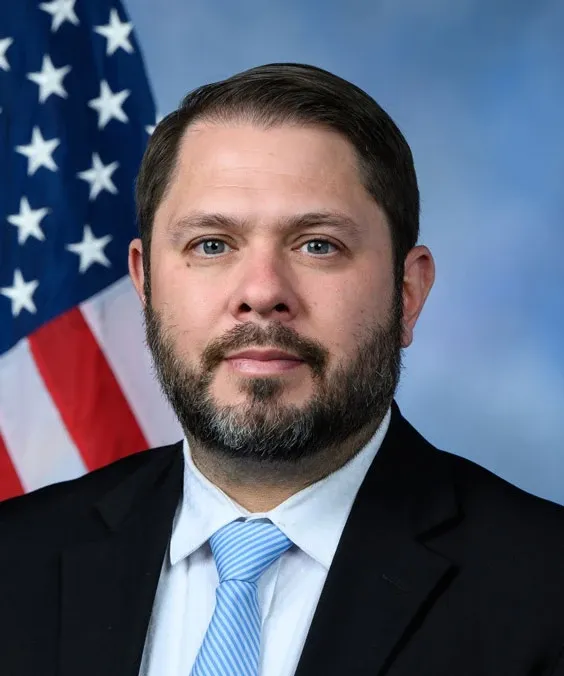
Raúl Grijalva
The Public Record
Raúl Manuel Grijalva is an American politician serving as the U.S. Representative for Arizona's 3rd congressional district since 2003. A member of the Democratic Party, Grijalva has been an advocate for environmental protection, education, and healthcare reform throughout his tenure in Congress. He has played a significant role in various legislative initiatives, particularly those aimed at addressing climate change and promoting social justice.
I have no further speakers on the legislation. I reserve the balance of my time.
I thank Mr. Obernolte, our colleague on the committee, and Ms. Matsui, a former colleague on the committee, for two pieces of very important legislation that look at the realism that we need to look at in terms of our history as a Nation…
It is good to know that the ranking member has a weakness, and so we are going to put razorback in every piece of legislation from now on. Madam Speaker, I have no further speakers, and I yield back the balance of my time.
I urge my colleagues to support the legislation, and I yield back the balance of my time. Ms. JACKSON, LEE. Madam Speaker, I rise in strong support of H.R. 2899, ``To direct the Secretary of the Interior to conduct a study to assess the…
Congress must formally acknowledge that the lands we now know as the United States are the ancestral homelands of millions of Indigenous Peoples, who were killed, removed, or relocated.
Fundamentally, tribal co-management provides an opportunity for Indigenous people to work alongside Federal agencies to manage Federal lands and resources.
I look forward to working with my colleagues in the Administration and Congress to expand and incorporate Indigenous knowledge and history in land and resource management across the country, especially on our public lands.
Through tribal co-management, we can lift up Indigenous voices, while continuing to meet our obligations to protect the climate and conserve Federal lands.
I appreciate our Committee members joining us today and hope that we will have an insightful and productive hearing.
But if we want to begin this conversation about tribal co-management meaningfully, first, we must acknowledge and come to terms with this country's history.
Today's hearing is one that I believe is long overdue--both at the Committee level and in Congress.