Feb 5, 2019
The majority of Americans consider meaningful action on climate change to be a moral and economic imperative.
The Public Record
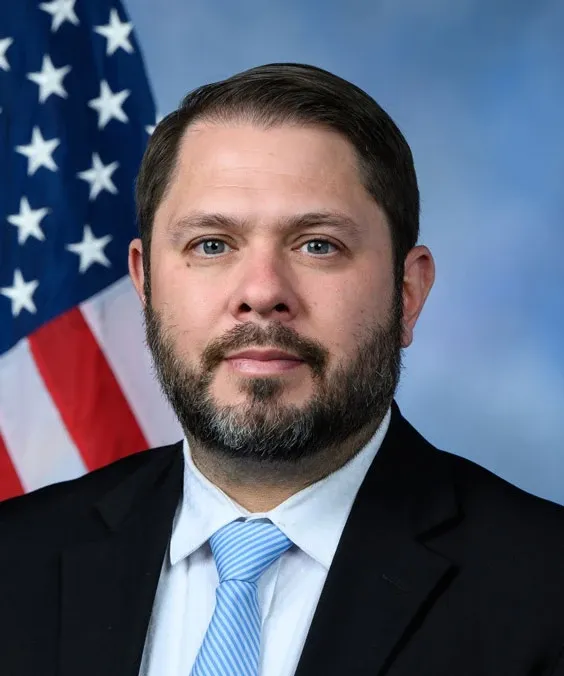
Raúl Manuel Grijalva is an American politician serving as the U.S. Representative for Arizona's 3rd congressional district since 2003. A member of the Democratic Party, Grijalva has been an advocate for environmental protection, education, and healthcare reform throughout his tenure in Congress. He has played a significant role in various legislative initiatives, particularly those aimed at addressing climate change and promoting social justice.
The majority of Americans consider meaningful action on climate change to be a moral and economic imperative.
Reclaiming my time, I am very grateful for my friend's, Representative McCollum's, leadership on this issue and for the tireless efforts of the Appropriations chair and Speaker Pelosi. They are working on behalf of the people to fund and…
I gladly yield to the gentlewoman from Minnesota (Ms. McCollum). Ms. McCOLLUM. As you know, Mr. Chairman, I feel as strongly as you do about the health and protection of our public lands. In your view, as chairman of the committee that…
It is with much regret that I and my colleagues from Arizona ask for a moment of silence for our dearly departed former colleague, Ed Pastor, who retired after more than two decades of service to this House. Our sincere condolences to his…
Given the fact that the Endangered Species Act is under unrelenting attacks by the Trump administration and House Republicans, it should come as no surprise that, after being out of session for more than 6 weeks, the first rules bill to go…
What this bill, unfortunately, does is to penalize the endangered species that Mr. Westerman says that he is seeking to protect.
I found, in reviewing other statutes that preclude judicial review, that they are essentially invitations for agency mischief.
The term 'best available scientific and commercial information' includes data submitted by a state or tribal or a county government.
The ESA is one of the only pieces of legislation that has long prevented the unique American landscape from turning into barren wasteland.
We have a moral responsibility to protect the incredible life forms with which we share this planet for now and for future generations.
The bills being discussed today would undermine these protections, and make it more difficult for endangered species to recover.
I urge you to reject this package of bills that would threaten species already at risk of disappearing forever.
I suggest that before we make this the issue of the lawsuit and a citizen's right to access the court for redress, and handcuff that process, that we look very carefully.
I think this bill raises very, very significant and large concerns about what it might do to the endangered species program.
They are not thoughtful pieces of legislation to fix real problems--like the extinction crisis we currently face.
While this political stunt of a hearing is ridiculous on its own, the titles of some of these bills are really insults to the public's intelligence.
They are bad-faith proposals designed to destroy the law and give handouts to oil and gas companies.
It is a shame that the last hearing that this Committee is going to have before we return in November is such a fraud. It really is.
We have a duty to preserve species for the next generation. Indeed, a moral duty to do that.
These attacks on one of the most successful and popular conservation statutes in the history of the world are old, they are tired, and they are not fooling anyone.
The bills before us today are not in the best interest of the American public. They aren't meant to fix the Endangered Species Act, as will be claimed by my Republican colleagues.
I will do everything in my power to ensure that these bills suffer the same fate as the previous bills.
The Endangered Species Act is America's most effective law for protecting wildlife in danger of extinction.
Politicians like Raúl Grijalva