Mar 22, 2016
It just seems to me that if the EPA is already regulating methane emissions at the wellhead, natural gas wells, it seems to be just adding to the regulatory burden.
The Public Record
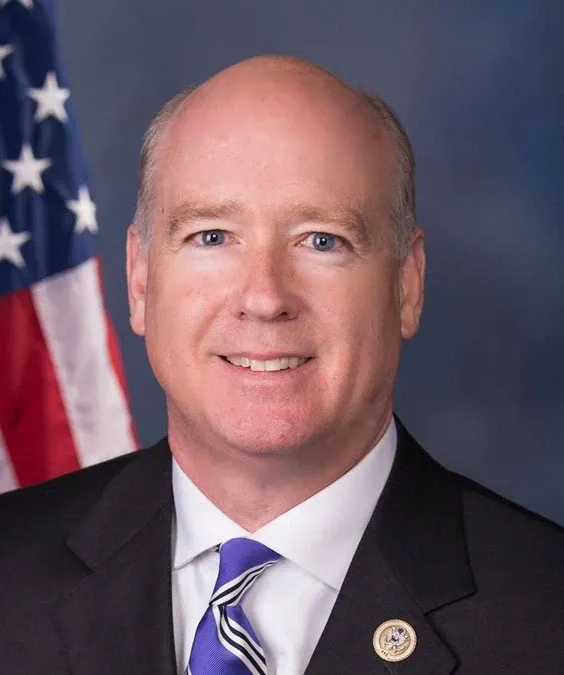
Gary James Palmer is an American politician serving as the U.S. Representative for Alabama's 6th congressional district since January 6, 2015. A member of the Republican Party, Palmer has focused on issues such as energy independence and national security during his tenure in Congress. He has been vocal about the need to reduce dependence on foreign nations, particularly China, for critical resources. Palmer's legislative efforts often reflect his commitment to conservative principles and the interests of his constituents in Alabama.
It just seems to me that if the EPA is already regulating methane emissions at the wellhead, natural gas wells, it seems to be just adding to the regulatory burden.
Thank you, Madam Chairman. On the horse issue, I have one constituent that this is a big deal with her.
I cannot understand why the Federal Government has the public trust to protect the people of this country and we fail time and time and time again.
The truth is there are many communities with potentially dangerous lead problems, and if the EPA and the DEQ do not change...
I do want to thank Miguel Del Toral, a water specialist at the EPA who spoke up early about the crisis.
I urge Congress to pass the bipartisan bill for aiding Flint immediately so we can further protect the health and safety of Flint residents and families.
I believe every member of this committee has a responsibility to get to the truth, to make sure that government fulfills its responsibility to serve the public and, in this case, to protect the public.
When you see an email like this, what does it tell you about the government prioritizing obfuscation over protecting the public interest?
My question is, where are you on locating those workstations and getting them updated?
I think you understand that using a supported version of Windows is critical to securing data.
According to a September 2015 inspector general report, the IRS spent $139 million in 4 years on upgrading its workstations from the outdated Microsoft XP to Windows 7.
Having come out of a think tank environment working in a think tank world for 25 years, I'm very much data-driven.
I think it's somewhere north of 25,000 pages, Mr. Chairman, and that includes all the regulations related to ObamaCare, somewhere north of 25,000 pages.
It's killing us in terms of disposable income that would go into the economy and in terms of investment capital that could go into business startups.
The cost of regulations on our economy last year was right around $2 trillion. That's a little over $15,000 per household.
If we're going to have a constitutional government, we've got to get back to Congress making law rather than the executive branch bypassing Congress.
I constantly run into people who talk to me about the regulatory environment, the uncertainty, and how difficult it is today to start a business.
You could've acted. You've got a roomful of people here now who have been impacted because of it. So what are you waiting on?
I have to question whether or not you guys respect the constitutional authority that is invested in this committee.
Politicians like Gary Palmer