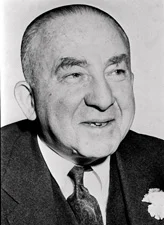
Mark Begich
The Public Record
Mark Begich is an American politician who served as the U.S. Senator from Alaska from 2009 to 2014. A member of the Democratic Party, he focused on issues such as healthcare, veterans' affairs, and economic development during his time in office. Begich was known for his efforts to advocate for Alaska's unique needs and challenges, including those related to energy and the environment.
Mar 12, 2014
I do not want the Administration to keep defunding the program that is annual and replacing it with a one-time hit.
Mar 12, 2014
I do not consider consultation, by our definition, successful because we said we consulted unless the tribal government said we consulted with them on their terms.
Mar 12, 2014
I need you to be more definitive on what you think, I guess there are a couple of parts to this question.
Mar 12, 2014
I am actually one of those from an oil and gas State that believe in climate change.
Mar 12, 2014
But when it comes to disaster relief, most time it is local communities that are dealing with it anyway on the first front.
Mar 12, 2014
You just hit on what my next question was going to be, and that is, do you think that the tools can be applied in legislation like this?
Mar 12, 2014
You think about three quarters of a million, give or take, to start giving you the flexibility you need to get out into the field, and I think you are right.
Mar 3, 2014
But I come from the small business world. And you always want competition, but you also have to understand this delivery system of parcel post.
Mar 3, 2014
They didn't incorporate all the other costs of that product and therefore that is a huge gap.
Mar 3, 2014
The Alaska delegation sent IG Williams a letter requesting the findings within the 2011 inspector general's report.
Mar 3, 2014
The Senate has passed out of the committee in a bipartisan way a comprehensive postal reform bill.
Mar 3, 2014
Mr. Chairman, the economy of scale, Alaska Airlines is a dominant player. It creates opportunities to create more efficiency in the delivery of the system.
Feb 26, 2014
People always think, and from Alaska's perspective, that oil and gas is the biggest employer... but the reality is, it is the fishing industry that's the largest employer.
Feb 26, 2014
Do you think the Magnuson-Stevens Act, as it's written today, is at the very least not as clear as it could be?
Feb 26, 2014
It's defined under the Act as overfished. And it should be considered to be depleted or some other term of ours.
Feb 26, 2014
The fact that there is no, really, mention in the current Magnuson-Stevens Act issue of acidification, warming waters, climate change, is because at the time it was done, no one really talked about it
Politicians like Mark Begich