Feb 11, 2014
I want to commend you guys for doing it, one, that there was unanimous support of the report.
The Public Record
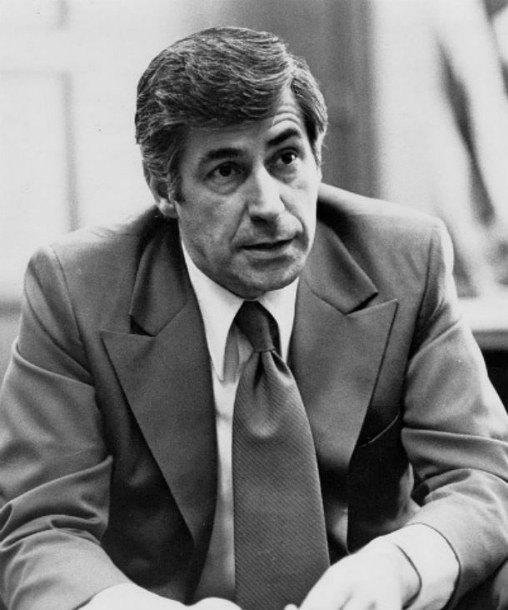
Mark Begich is an American politician who served as the U.S. Senator from Alaska from 2009 to 2014. A member of the Democratic Party, he focused on issues such as healthcare, veterans' affairs, and economic development during his time in office. Begich was known for his efforts to advocate for Alaska's unique needs and challenges, including those related to energy and the environment.
I want to commend you guys for doing it, one, that there was unanimous support of the report.
Let me say this, I am over my time. I did have questions for the Commissioners, but I will submit those.
If you have more flexibility, less lack of access or ability, you can do a lot of things.
I have had my criticisms, to be frank with you, of the State's inability to really see this as an opportunity.
That would be low-hanging fruit for a new Chairman of the Senate Committee on Indian Affairs.
I have a piece of legislation pending on the Safe Villages and Families Act, which talks about coordination.
The challenges facing Native communities require a comprehensive approach to law enforcement.
If there is no further business to come before the Senate, I ask unanimous consent that it adjourn under the previous order. There being no objection, the Senate, at 6:38 p.m., adjourned until Tuesday, February 11, 2014, at 10 a.m…
Senator-designate Walsh from Montana will be sworn in at 12:15 p.m. tomorrow. Senators will be notified when the next vote is scheduled. ____________________
And even the fact that, last year, when other cities were still suffering from the recession, we were getting an upgrade, and hopefully this year we will get another upgrade.
I would hope that--let us hope there is not another shutdown, but in the hopes of another shutdown that we have more review of how we approach this, recognizing that they are national treasures.
The government shutdown was totally unnecessary and inflicted needless economic damage on families and businesses across this country.
I am assuming in the world of Wall Street that the more stability, certainty with your budgetary revenue streams or control that you have, makes them much more comfortable in the long term for working with you folks.
I think budget autonomy, also as a former mayor, makes a lot of sense in the sense of the work you need to do.
I could not imagine me sending my local ordinances to the State legislature for their rejection or review. It would be ridiculous.
Politicians like Mark Begich