How can he place himself in such an attitude, and with such comprehensive sureness of vision, as to say that the thirteenth century was better or higher or worse or lower than the nineteenth?
John Morley
The Public Record
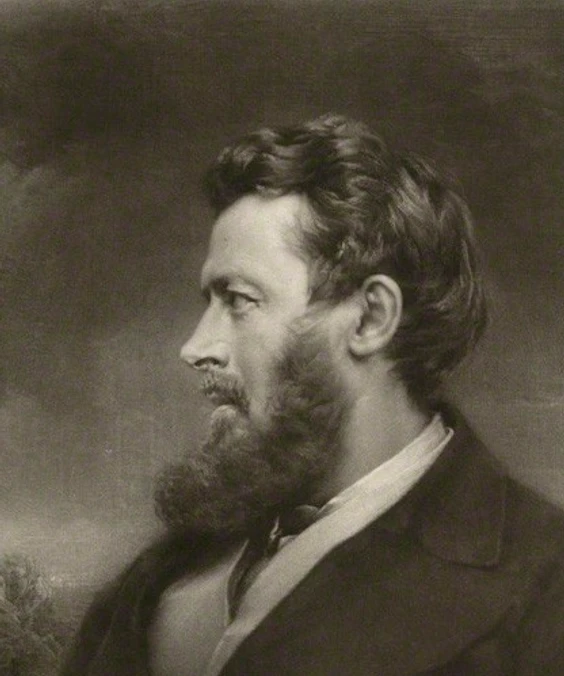
John Morley, 1st Viscount Morley of Blackburn,, was a British Liberal statesman, writer and newspaper editor.
gutenberg.org
Said that for the first time interest has moved away both from politics and theology, towards the vague something which they call social reform; and he thinks they won’t make much out of that in the way of permanent results.
As to Welsh disestablishment, he said it was a pity that where the national sentiment was so unanimous as it was in Wales, the operation itself should not be as simple as in Scotland.
In Wales sentiment is all one way, but the operation difficult—a good deal more difficult than people suppose, as they will find out when they come to tackle it.
In two of the most important of all the relations of a prime minister, he was perfect; I mean first, his relations to the Queen, second to his colleagues.
Rather puzzled him by repeating a saying of mine that used to amuse Fitzjames Stephen, that Love of Truth is more often than we think only a fine name for Temper.
Am always feeling how strong is his aversion to seeing more than he can help of what is sordid, mean, ignoble.
He has not been in public life all these years without rubbing shoulders with plenty of baseness on every scale, and plenty of pettiness in every hue, but he has always kept his eyes well above it.
Never was a man more wholly free of the starch of the censor, more ready to make allowance, nor more indulgent even; he enters into human nature in all its compass.
But he won’t linger a minute longer than he must in the dingy places of life and character.
G. felt its pathos and its noble charm—so direct and simple, such benignity, such a good lesson to men to forget their own misdeeds and mischance, and to pray for the passer-by a happier star.
Canning’s wit not to be found conspicuously in his speeches, but highly agreeable pleasantries, though many of them in a vein which would jar horribly on modern taste.
Nobody who cares for ease or mental composure would seek public life?
Surely politics open up a great field for the natural man.
Self-seeking, pride, domination, power—all these passions are gratified in politics.
You know the saying that nobody is worth much who has not been a bit of a radical in his youth, and a bit of a tory in his fuller age.
But for myself, I think I can truly put up all the change that has come into my politics into a sentence; I (M168) was brought up to distrust and dislike liberty, I learned to believe in it.
They have ceased either to trust or to distrust liberty, and have come to the mind that it matters little either way.
France has thrown off the Empire, but the statesmen of the republic are not a great breed.
Italy has gained her unity, yet unity has not been followed by thrift, wisdom, or large increase of public virtue or happiness.
America has purged herself of slavery, yet life in America is material, prosaic,—so say some of her own rarest sons.
But I know able and high-minded men who suffer from this disenchantment.
They ought to know that ideals in politics are never realised.
Look at the whole conduct of opposition from ’80 to ’85—every principle was flung overboard, if they could manufacture a combination against the government.
I would use my best endeavours to make these States independent in matters of administration.
Politicians like John Morley