They might learn how the true gentleman speaks of one whom he cannot but admit to have devoted a long life to the search of truth, and allow to have sacrificed every personal prospect to the promulgation of that which appeared to him as…
John Morley
The Public Record
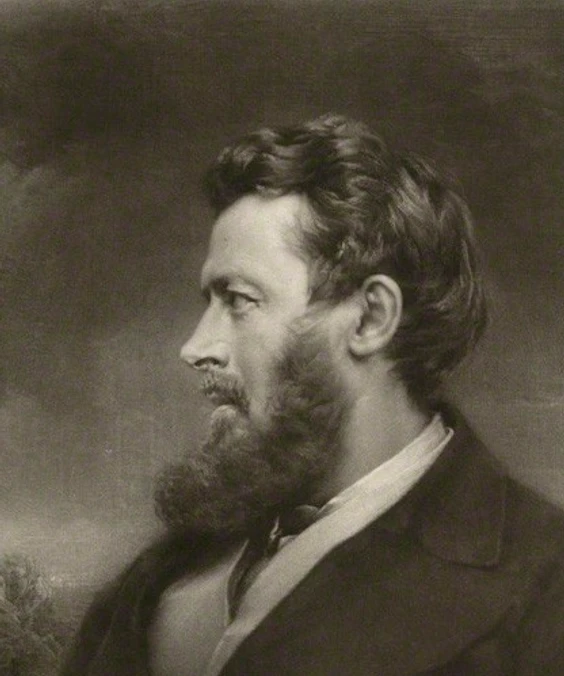
John Morley, 1st Viscount Morley of Blackburn,, was a British Liberal statesman, writer and newspaper editor.
gutenberg.org
Individuals may recover from even serious sickness; it does not appear to be the way with governments.”—Mr.
A rendering less apt for this occasion finds favour with some scholars, that true virtue can never be restored to those who have once fallen away from it.
True merit once resigned, No trick nor feint will serve as well.
Can wool repair The colours that it lost when soaked with dye?
If they, situated exactly as we are, decline to join, we are not bound single-handed to make up the deficiencies of the rest.
It is a case so to speak of “limited liability.” We are bound in honour—you cannot put a legal construction upon it—to see in concert with others that these arrangements are maintained.
People still believe that Russian diplomats are particularly crafty and clever, full of artifices and stratagems, but that is not the case.
For this line of contention he was called an “unpatriotic trumpet of disaster,” and other names commonly bestowed on all men in all countries who venture to say that what chances for the hour to be a popular war is a blunder.
Yet he had prepared this document for the very purpose of tempting France into a declaration of war.
Gladstone protested against the bill as “inequitable, unusual, and unwise,” and it was largely modified in committee.
The South fight for independence; but what do the North fight for, except to gratify passion or pride?”—Letters, p. 395, etc.
The Northern states have been drifted, or rather plunged into war without having any intelligible aim or policy.
Honour give to sterling worth, Genius better is than birth, So here’s success to Gladstone.
We give no concessions to France which do not apply to all other nations.
In favour of enabling Irish tenants to purchase their holdings.
Protests against charging Indian revenues with expenses of Afghan war.
Criticises action of British plenipotentiaries at Berlin Congress.
Moves address that proceedings under Indian Vernacular Press Act be reported to parliament.
Protests against despatch of Indian contingent to Malta.
Protests against use of Indian troops in Europe without consent of parliament.
On Irish demand for pardon of Fenian convicts.
Supports amendment to Universities bill, providing that holy orders shall not be a condition of holding any headship or fellowship.
Address to boys of Marlborough College on value of simple habits.
Politicians like John Morley