To govern Egypt from London through a native ministry, was in fact nothing but annexation, and annexation in its clumsiest and most troublesome shape.
John Morley
The Public Record
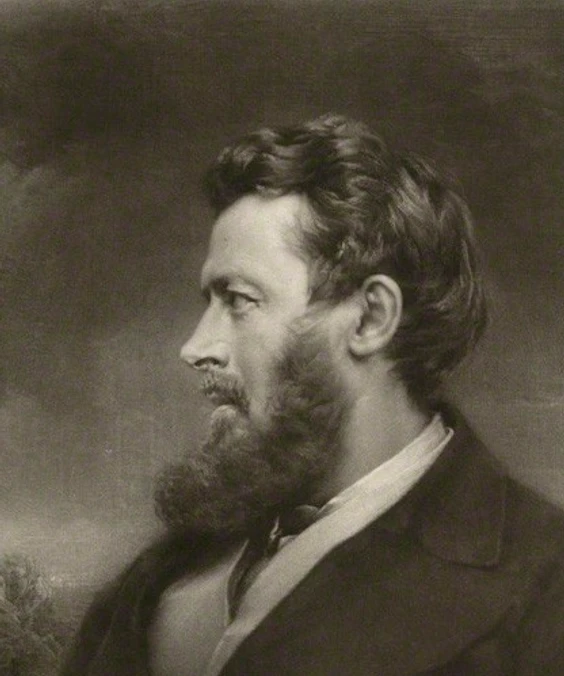
John Morley, 1st Viscount Morley of Blackburn,, was a British Liberal statesman, writer and newspaper editor.
gutenberg.org
To treat native ministers as mere ciphers and puppets, and then to hope to leave them at the end with authority enough to govern the country by themselves, was pure delusion.
The sensible reader would resist any attempt to drag him into the Serbonian bog of Egyptian finance.
Our task in Egypt generally may not unfairly be called an impossible task, and with the impossible no man can successfully contend.
But we are well satisfied that whatever is possible, you will achieve; whatever judgment, experience, firmness, gentleness can do, will be done.
Our expectations from the nature of the case must be moderate; but be assured, they will not be the measure of our gratitude.
All this language on the great occasions of human life was not with him the tone of convention.
I saw all the connections which had their root in social habit fade before the one which took its rise from public life and proved more firm and more enduring than the rest.
After the shock caused by the Irish quarrel, every politician knew that it would be necessary to balance home rule by reforms expected in England and Scotland.
No liberal, whatever his particular shade, thought that it would be either honourable or practical to throw the Irish policy overboard, and if there (M162) were any who thought such a course honourable, they knew it would not be safe.
The principle and expediency of home rule had taken a much deeper root in the party than it suited some of the trimming tribe later to admit.
On the other hand, after five years of pretty exclusive devotion to the Irish case, to pass by the British case and its various demands for an indefinite time longer, would have been absurd.
Nothing is like a first morning’s stroll in a foreign town.
How comes it that during the hundreds of years in which priests and fellows of Eton College have retired from hard work to college livings and leisure, not one of them has ever done anything whatever for either scholarship or divinity—not…
Gambetta was autoritaire; I do not feel as if he were a true liberal in the old and best sense.
I cannot forget how hostile he was to the movement for freedom in the Balkans.
You could not wonder that the rank and file of his men should be caught by the proposition that an atheist ought not to sit in parliament.
But what is a leader good for, if he dare not tell his party that in a matter like this they are wrong, and of course nobody knew better than N. that they were wrong.
Humility as a sovereign grace is the creation of Christianity.
I always made it a rule in the H. of C. to allow nobody to suppose that I did not like him, and to say as little as I could to prevent anybody from liking me.
Considering the intense friction and contention of public life, it is a saving of wear and tear that as many as possible even among opponents should think well of one.
His Thoughts on the Discontents is a masterpiece of civil wisdom, and the right defence in a great constitutional struggle.
There is a saying of Burke’s from which I must utterly dissent.
Property is vigilant, active, sleepless; if ever it seems to slumber, be sure that one eye is open.
I would use my best endeavours to make these States independent in matters of administration.
Politicians like John Morley