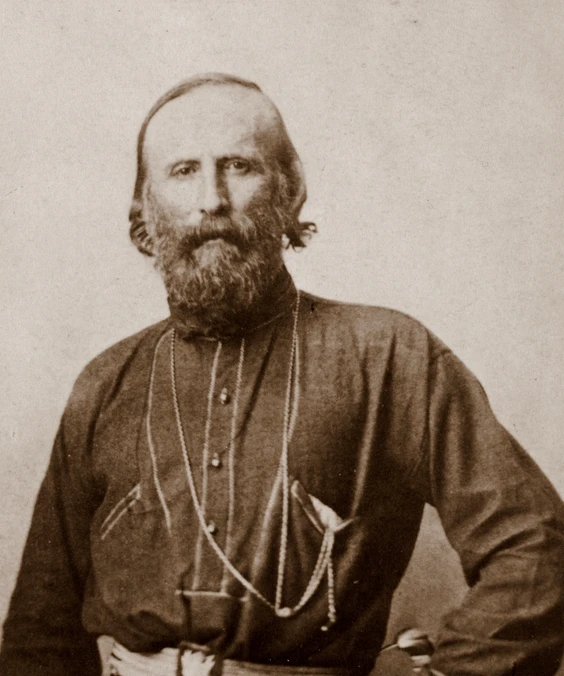
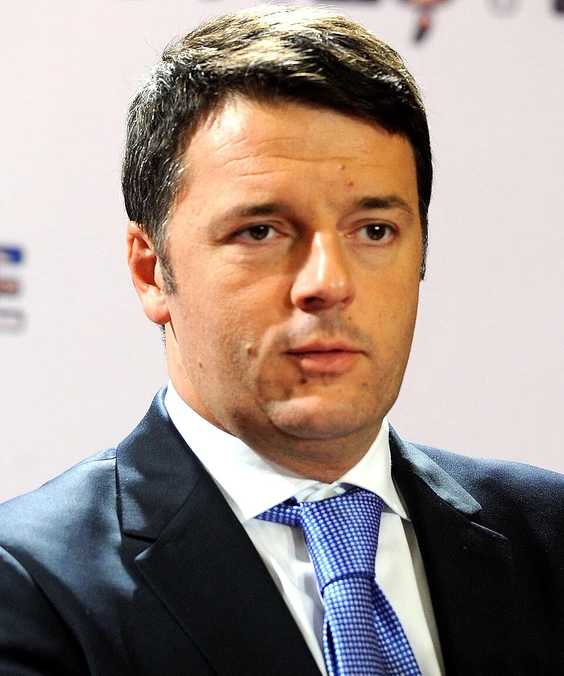
Cicero
The Public Record
44 BC
If supremacy is to be sought for the sake of glory, crime should be excluded, for there can be no glory in crime; but if it is power for its own sake that is sought, whatever the price, it cannot be expedient if it is linked with shame.
44 BC
But if these things which seem so very advantageous are not advantageous because they are full of shame and moral wrong, we ought to be quite convinced that nothing can be expedient that is not morally right.
44 BC
For can occasions for worry, anxiety, fear by day and by night, and a life all beset with plots and perils be of advantage to anybody?
44 BC
For what difference does it make whether a man is actually transformed into a beast or whether, keeping the outward appearance of a man, he has the savage nature of a beast within?
44 BC
But for all cases we have one rule, with which I desire you to be perfectly familiar: that which seems expedient must not be morally wrong; or, if it is morally wrong, it must not seem expedient.
44 BC
For as the morally wrong cannot by any possibility be made morally right, however successfully it may be covered up, so what is not morally right cannot be made expedient, for nature refuses and resists.
44 BC
Is it not a shame that philosophers should be in doubt about moral questions on which even peasants have no doubts at all?
44 BC
Such a man, therefore, will never venture to think--to say nothing of doing--anything that he would not dare openly to proclaim.
44 BC
To this type of good man, then, known not only to a Socrates but even to a Fimbria, nothing can possibly seem expedient that is not morally right.
44 BC
But the righteous man, the one whom we feel to be a good man, would never rob anyone of anything to enrich himself.
44 BC
Suppose, then, that a good man had such power that at a snap of his fingers his name could steal into rich men's wills, he would not avail himself of that power--no, not even though he could be perfectly sure that no one would ever suspect…
44 BC
For my part, I do not believe that even genuine legacies are moral, if they are sought after by designing flatteries and by attentions hypocritical rather than sincere.
44 BC
For how few will be found who can refrain from wrong-doing, if assured of the power to keep it an absolute secret and to run no risk of punishment!
44 BC
And no greater curse in life can be found than knavery that wears the mask of wisdom.
44 BC
For the function of wisdom is to discriminate between good and evil; whereas, inasmuch as all things morally wrong are evil, trickery prefers the evil to the good.
44 BC
But we possess no substantial, life-like image of true Law and genuine Justice; a mere outline sketch is all that we enjoy.
44 BC
The civil law is not necessarily also the universal law; but the universal law ought to be also the civil law.
44 BC
For there is a bond of fellowship--although I have often made this statement, I must still repeat it again and again--which has the very widest application, uniting all men together and each to each.
44 BC
Now reason demands that nothing be done with unfairness, with false pretence, or with misrepresentation.
44 BC
Now the law disposes of sharp practices in one way, philosophers in another: the law deals with them as far as it can lay its strong arm upon them; philosophers, as far as they can be apprehended by reason and conscience.
44 BC
To conclude, then, it is never expedient to do wrong, because wrong is always immoral; and it is always expedient to be good, because goodness is always moral.
44 BC
But that depends on our purpose in seeking prosperity; for we do not aim to be rich for ourselves alone but for our children, relatives, friends, and, above all, for our country.
44 BC
No act of theirs can be expedient, when what they do is tainted with so many vices.
44 BC
Pythius, therefore, and all others who do one thing while they pretend another are faithless, dishonest, and unprincipled scoundrels.
Politicians like Cicero