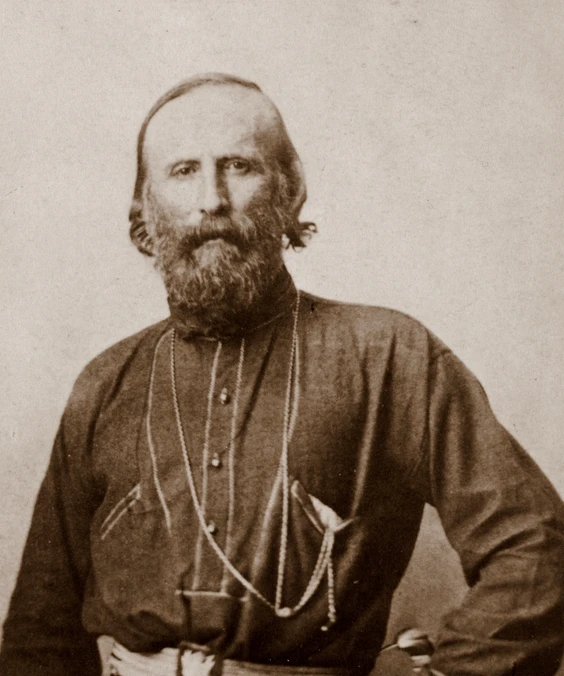
Jan 1, 175
But everything else, whether it is in the power of thy will or not, is only lifeless ashes and smoke.
The Public Record
★ Featured Quote
January 1, 175
Depart then satisfied, for he also who releases thee is satisfied.
— Marcus Aurelius
But everything else, whether it is in the power of thy will or not, is only lifeless ashes and smoke.
Reflecting on all this, consider nothing to be great, except to act as thy nature leads thee, and to endure that which the common nature brings.
And how small a part of the whole substance; and how small a part of the universal soul; and on what a small clod of the whole earth thou creepest!
How small a part of the boundless and unfathomable time is assigned to every man, for it is very soon swallowed up in the eternal!
But it is inconsistent with honoring reason and God to be troubled because by death a man will be deprived of the other things.
But if it is easy to set little value on all these things, turn to that which remains, which is to follow reason and God.
But intellect in a peculiar manner tends to that which is of the same kin, and combines with it, and the feeling for communion is not interrupted.
There is one light of the sun, though it is interrupted by walls, mountains, and other things infinite.
What remains, except to enjoy life by joining one good thing to another so as not to leave even the smallest intervals between?
The safety of life is this, to examine everything all through, what it is itself, that is its material, what the formal part; with all thy soul to do justice and to say the truth.
Thus then with respect to the gods, from what I constantly experience of their power, from this I comprehend that they exist, and I venerate them.
Constantly bring to thy recollection those who have complained greatly about anything, those who have been most conspicuous by the greatest fame or misfortunes or enmities or fortunes of any kind: then think where are they all now?
Therefore the termination of life for every man is no evil, because neither is it shameful, since it is both independent of the will and not opposed to the general interest, but it is good, since it is seasonable, and profitable to and…
Take away then, when thou choosest, thy opinion, and like a mariner who has doubled the promontory, thou wilt find calm, everything stable, and a waveless bay.
For all things are formed by nature to change and be turned and to perish, in order that other things in continuous succession may exist (ix. 28).
Consider that before long thou wilt be nobody and nowhere, nor will any of the things exist which thou now seest, nor any of those who are now living.
Perceive at last that thou hast in thee something better and more divine than the things which cause the various affects, and as it were pull thee by the strings.
In everything always observe what the thing is which produces for thee an appearance, and resolve it by dividing it into the formal, the material, the purpose, and the time within which it must end.
Consider that he who would not have the bad man do wrong, is like the man who would not have the fig-tree to bear juice in the figs, and infants to cry, and the horse to neigh, and whatever else must of necessity be.
Politicians like Marcus Aurelius