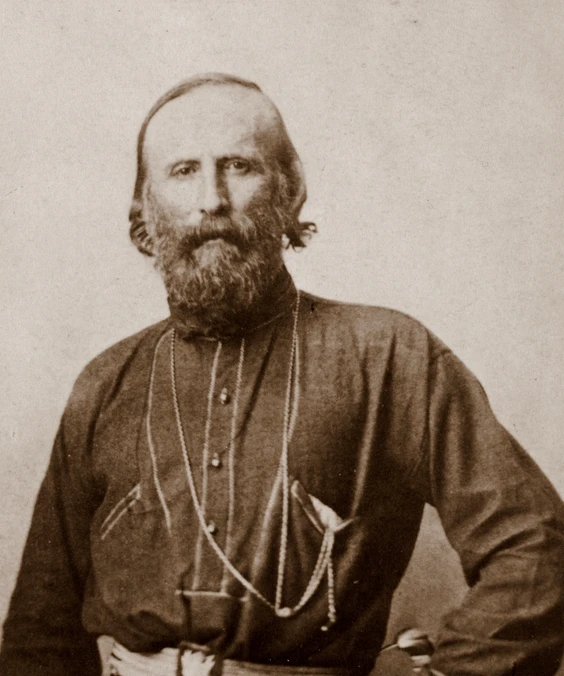
Cicero
The Public Record
44 BC
But if I am wrong in thinking the human soul immortal, I am glad to be wrong; nor will I allow the mistake which gives me so much pleasure to be wrested from me as long as I live.
44 BC
Oh glorious day when I shall set out to join that heavenly conclave and company of souls, and depart from the turmoil and impurities of this world!
44 BC
I don't wish to depreciate life, as many men and good philosophers have often done; nor do I regret having lived, for I have done so in a way that lets me think that I was not born in vain.
44 BC
Nay, if some god should grant me to renew my childhood from my present age and once more to be crying in my cradle, I would firmly refuse; nor should I in truth be willing, after having, as it were, run the full course, to be recalled from…
44 BC
Don't you think that the soul which has the clearer and longer sight sees that it is starting for better things, while the soul whose vision is dimmer does not see it?
44 BC
Again, is there not the fact that the wisest man ever dies with the greatest cheerfulness, the most unwise with the least?
44 BC
But had it not been the case that souls were immortal, it would not have been the souls of all the best men that made the greatest efforts after an immortality of fame.
44 BC
But my soul, I know not how, refusing to be kept down, ever fixed its eyes upon future ages, as though from a conviction that it would begin to live only when it had left the body.
44 BC
Do you suppose--to take an old man's privilege of a little self-praise--that I should have been likely to undertake such heavy labours by day and night, at home and abroad, if I had been destined to have the same limit to my glory as to my…
44 BC
But if my soul is to perish with my body, nevertheless do you from awe of the gods, who guard and govern this fair universe, preserve my memory by the loyalty and piety of your lives.
44 BC
And yet it is in sleepers that souls most clearly reveal their divine nature; for they foresee many events when they are allowed to escape and are left free.
44 BC
And again, when man's natural frame is resolved into its elements by death, it is clearly seen whither each of the other elements departs: for they all go to the place from which they came: but the soul alone is invisible alike when…
44 BC
I believe rather that when, by being liberated from all corporeal admixture, it has begun to be pure and undefiled, it is then that it becomes wise.
44 BC
For myself, I never could be persuaded that souls while in mortal bodies were alive, and died directly they left them; nor, in fact, that the soul only lost all intelligence when it left the unintelligent body.
44 BC
The honours paid to illustrious men had not continued to exist after their death, had the souls of these very men not done something to make us retain our recollection of them beyond the ordinary time.
44 BC
Even when I was with you, you did not see my soul, but knew that it was in this body of mine from what I did.
44 BC
Do not suppose, my dearest sons, that when I have left you I shall be nowhere and no one.
44 BC
And since the soul is always in motion and yet has no external source of motion, for it is self-moved, I conclude that it will also have no end to its motion, because it is not likely ever to abandon itself.
44 BC
I have convinced myself, and I hold--in view of the rapid movement of the soul, its vivid memory of the past and its prophetic knowledge of the future, its many accomplishments, its vast range of knowledge, its numerous discoveries --that…
Politicians like Cicero