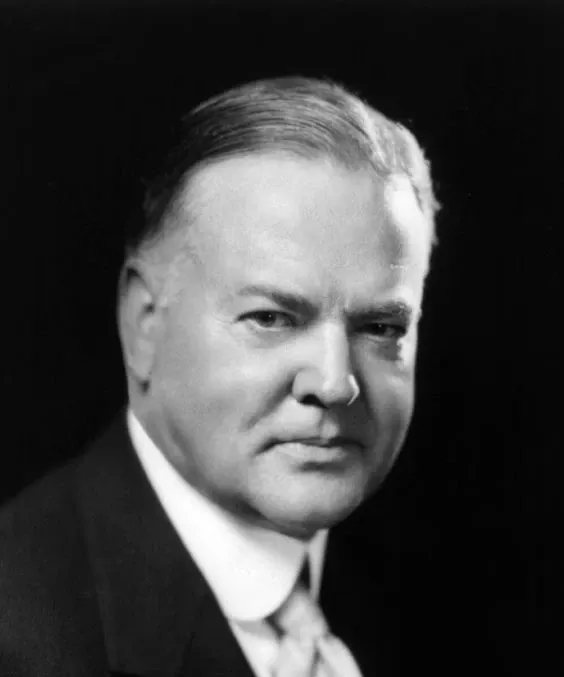
All the reformations we have hitherto made have proceeded upon the principle of reference to antiquity; and I hope, nay, I am persuaded, that all those which possibly may be made hereafter will be carefully formed upon analogical…
From the public-domain record · 81,371 quotes
Historical voices
Founders, statesmen and world leaders — cited from their collected works.
The figures
We wished at the period of the Revolution, and do now wish, to derive all we possess as an inheritance from our forefathers.
The very idea of the fabrication of a new government is enough to fill us with disgust and horror.
The Revolution was made to preserve our ancient indisputable laws and liberties, and that ancient constitution of government which is our only security for law and liberty.
Governments must be abused and deranged indeed, before it can be thought of; and the prospect of the future must be as bad as the experience of the past.
The speculative line of demarcation, where obedience ought to end and resistance must begin, is faint, obscure, and not easily definable.
The Revolution of 1688 was obtained by a just war, in the only case in which any war, and much more a civil war, can be just.
Laws are commanded to hold their tongues amongst arms; and tribunals fall to the ground with the peace they are no longer able to uphold.
The ceremony of cashiering kings, of which these gentlemen talk so much at their ease, can rarely, if ever, be performed without force.
Ill would our ancestors at the Revolution have deserved their fame for wisdom, if they had found no security for their freedom, but in rendering their government feeble in its operations and precarious in its tenure,--if they had been able…
As he is not to obey us, but we are to obey the law in him, our Constitution has made no sort of provision towards rendering him, as a servant, in any degree responsible.
But the king of Great Britain obeys no other person; all other persons are individually, and collectively too, under him, and owe to him a legal obedience.
Those who are servants in name, as well as in effect, do not like to be told of their situation, their duty, and their obligations.
Their trust for the future preservation of the Constitution was not in future revolutions.
But an absurd theory on one side of a question forms no justification for alleging a false fact or promulgating mischievous maxims on the other.
If all the absurd theories of lawyers and divines were to vitiate the objects in which they are conversant, we should have no law and no religion left in the world.
They look on the frame of their commonwealth, such as it stands, to be of inestimable value; and they conceive the undisturbed succession of the crown to be a pledge of the stability and perpetuity of all the other members of our…
They look upon the legal hereditary succession of their crown as among their rights, not as among their wrongs,--as a benefit, not as a grievance,--as a security for their liberty, not as a badge of servitude.
The people of England will not ape the fashions they have never tried, nor go back to those which they have found mischievous on trial.
A few years ago I should be ashamed to overload a matter so capable of supporting itself by the then unnecessary support of any argument; but this seditious, unconstitutional doctrine is now publicly taught, avowed, and printed.
But the course of succession is the healthy habit of the British Constitution.
An irregular, convulsive movement may be necessary to throw off an irregular, convulsive disease.
No experience has taught us that in any other course or method than that of an hereditary crown our liberties can be regularly perpetuated and preserved sacred as our hereditary right.
It therefore secures both an hereditary crown and an hereditary allegiance.


