Listen, Mr. Chairman, the Boston Consulting Group has concluded that, with just a modest increase in the electronic vehicles by 15 percent by 2030, our grid will require a 25 percent increase in generation capacity.
David McKinley
The Public Record
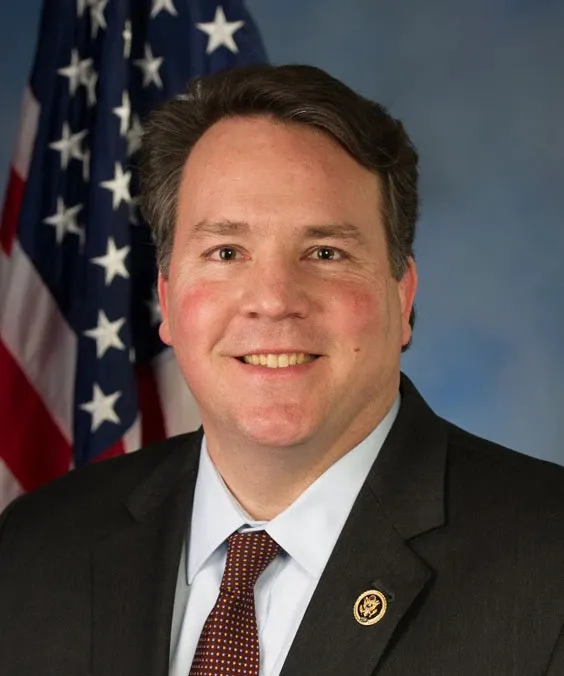
David Bennett McKinley is a former member of the U.S. House of Representatives, serving West Virginia's 1st congressional district from January 5, 2011, until January 3, 2023. A member of the Republican Party, McKinley focused on issues such as energy policy, infrastructure development, and healthcare during his time in office. He was known for advocating for the coal industry and promoting economic growth in West Virginia. McKinley also served on various committees, including the House Energy and Commerce Committee, where he played a role in shaping legislation related to energy and health care.
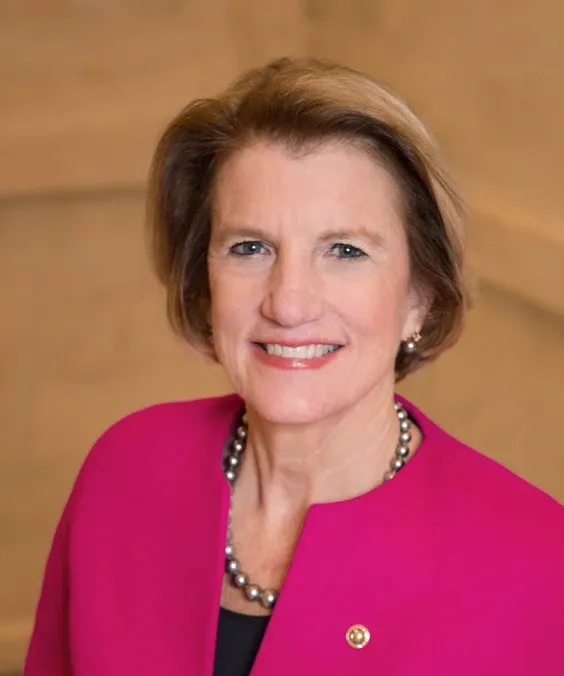
But like my peers on the Republican side, I am concerned that the one-size-fits-all mandates in the CLEAN Future Act far outpaces the current state of technology, leaving consumers to foot the bill for higher costs on everything from…
Wouldn't it make more sense to continue burning our abundant supply of fossil fuels using carbon capture?
This bill disregards critical things like permitting reforms that will be necessary to meet its own timeline for infrastructure construction.
At the President's press conference on March 24th, the President appointed Kamala Harris to, quote, ``lead the effort to stem the migration across our southern border,'' close quote. But in the last 77 days, she's not visited the border.
Since electric vehicles will be best suited for urban centers and densely populated areas, rural customers like those in my southeast Indiana will still have to foot the bill.
Now, that may seem doable, but within the same timeframe this particular legislation calls for the abandonment of all fossil fuel plants, coal and natural gas, by 2035 unless the utilities can miraculously find a solution to this elusive…
So wouldn't that be a more environmentally sound approach, compared to alienating other countries by ravaging their countryside?
The majority has called us here to look at ways to shore up the Affordable Care Act, which became law 11 years ago and is still not working.
Democrats have chosen to address it by pumping more money into the Affordable Care Act and limiting State flexibility instead of addressing what is the real problem: the high cost of healthcare.
Before we authorize billions more on top, we need to first see how the funding from the $1.9 trillion law which has now been allocated--we need to see how it is being spent and where are the remaining gaps.
I am concerned with banning short-term, limited-duration plans. CBO has estimated that, if the regulations are rolled back on these plans, 500,000 Americans will lose healthcare coverage.
Wouldn't this transition be less stressful if it occurred using free market forces? Wouldn't that be a novel thing in Washington, to use the free market approach.
I am extremely concerned about how the provisions in this bill would affect rural communities like the one that I represent in south central and southwestern Pennsylvania.
The LIFT America Act that we are considering today will help our Nation build back better and deliver much-needed infrastructure improvements for our district.
When the FCC finally issued its report in 2019, the data showed that there isn't just a digital divide in Indian country, it is a digital canyon.
This bill will make historic investments to expand internet access to increase economic and telehealth opportunity for Tribal communities.
I want people to just slow down sometimes and think about the consequences of this.
This massive partisan--partisan--bill seeks to further carry out Biden's environmental agenda, and part of that includes the infrastructure needed for electric vehicles.
I agree with you, not including carbon capture in this bill does not make sense.
Sadly, the direction that this committee is going with the LIFT Act America will only further grow the digital divide and widen the gap between rural and urban America, and not close it.
I just--I am wondering, are we ever going to be ready for something like that?
Fundamentally transforming our entire transportation away from the dependable internal combustion engine is one thing, and I don't really have a serious problem long term on that, but performing open-heart surgery on such a crucial…