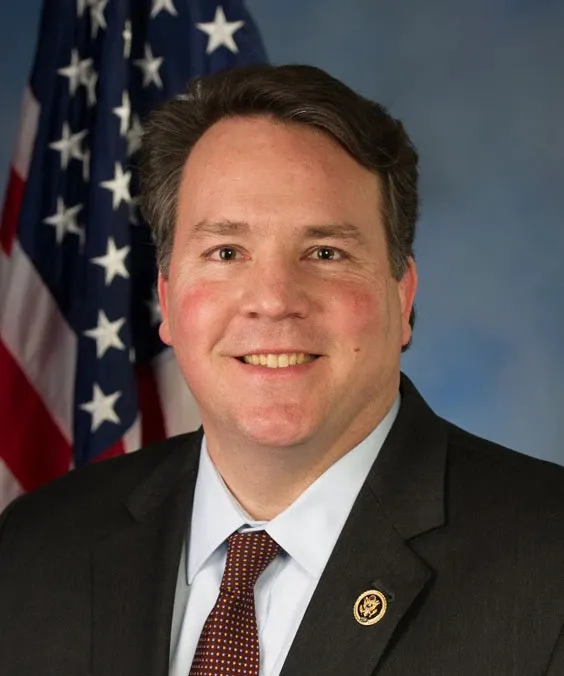
David McKinley
The Public Record
David Bennett McKinley is a former member of the U.S. House of Representatives, serving West Virginia's 1st congressional district from January 5, 2011, until January 3, 2023. A member of the Republican Party, McKinley focused on issues such as energy policy, infrastructure development, and healthcare during his time in office. He was known for advocating for the coal industry and promoting economic growth in West Virginia. McKinley also served on various committees, including the House Energy and Commerce Committee, where he played a role in shaping legislation related to energy and health care.
Apr 28, 2014
I don't think it is the chemical industry that is trying to weaken any of these provisions. I think there is another agenda out there.
Apr 1, 2014
American citizens in these small towns want sewer and water lines, and for you to take an arbitrary--you said it was a tough decision.
Apr 1, 2014
The consequences of your actions are detrimental to the economic growth here in this country.
Mar 5, 2014
I acknowledge that there is climate change as a result of all this, but I am trying to understand how much of it is man-made.
Feb 3, 2014
But let me just close in the few seconds we have left that I join with you in this concern about what happened down there, and the need to work on TSCA.
Feb 3, 2014
Well, that is what I am trying to find out, is why it failed under Section 8, that they didn't provide that information prior to this.
Feb 3, 2014
I join with you in the disgust and the fury internally I have over the breakdown of why that could occur.
Jan 15, 2014
Over two million people have signed up on the exchanges and four million people have enrolled in Medicaid.
Dec 4, 2013
Is there progress being made in Europe or elsewhere with EMP's, but it is not unique to western--to the United States?
Dec 4, 2013
Could you provide us in writing, because with the time frame, we don't--and especially since you said you weren't prepared to discuss that necessarily, can you provide us some rationale for the Federal Government to be involved in this as…
Oct 29, 2013
Who owns the software now? Now that this has been developed with taxpayer money to develop the software to do this?
Oct 29, 2013
So is the American taxpayer still paying the money to fix the problems that her company didn't do in the first place?
Oct 23, 2013
I haven't heard one of you apologize to the American public on behalf of your companies for problems that were associated with not having this thing ready.
Sep 17, 2013
One of the biggest moral responsibilities of the United States should be to help emerging nations come out of poverty.
Politicians like David McKinley