Jun 11, 2015
Well, if there is regulatory burden that is going to be imposed with this, should the EPA withhold the bill or the rule?
The Public Record
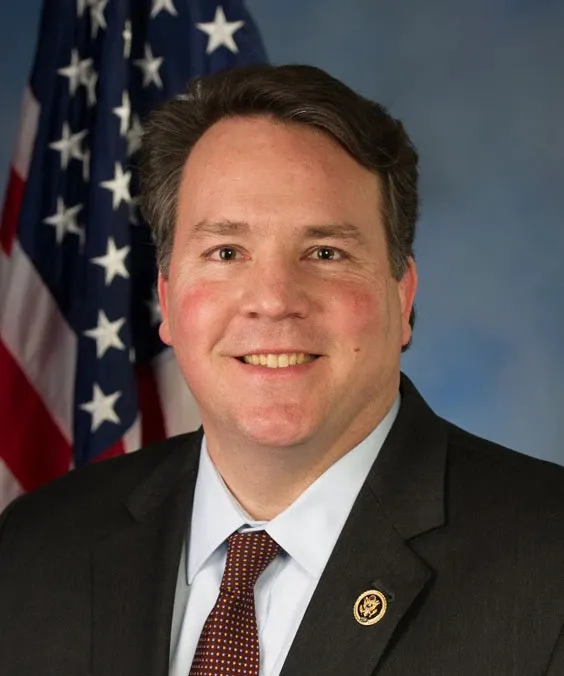
David Bennett McKinley is a former member of the U.S. House of Representatives, serving West Virginia's 1st congressional district from January 5, 2011, until January 3, 2023. A member of the Republican Party, McKinley focused on issues such as energy policy, infrastructure development, and healthcare during his time in office. He was known for advocating for the coal industry and promoting economic growth in West Virginia. McKinley also served on various committees, including the House Energy and Commerce Committee, where he played a role in shaping legislation related to energy and health care.
Well, if there is regulatory burden that is going to be imposed with this, should the EPA withhold the bill or the rule?
What is the timeframe on getting some written--because I don't think we are going to be under 5 minutes to be able to get through our questions.
So if you are sitting in the kitchen with this 55-year-old that just lost his job, he has been working 30 years in a coalmine, what do you tell him?
Well, but keep in mind too, Mr. Secretary, you know that coalminers average age is going to be in their 50s.
So my first question of two questions would be to the coal industry to reverse this decline?
Just in 3 years. Three years 45 percent of our coalminers are looking for work.
Even though FERC has said that--and they have testified before us--the concern that they have is that we are going to have rolling blackouts in the Midwest if we don't start replacing these power plants.
The first newspaper I got when I got back there was, dark day for miners. They just announced that 2,268 coalmining jobs were lost.
In the last week, during the break, I returned to West Virginia and was on overload of negative information coming at us in West Virginia.
We look at Europe and we see how some policies over there in which countries like Germany have made decisions to eliminate nuclear energy, has created low wholesale prices, extremely high retail prices, and as a result, Europe has some…
We have infrastructure needs. And it is very difficult to get permits, it takes years, and so as we are shutting down coal plants through regulatory orders, we don't always have the capability to get the energy product to where it needs to…
Remember, a third of the hospitals could very well go under if they have to make these payments.
We have been given the runaround. I have never seen so many fingers pointing in different directions.
I hope you understand, this kind of smacks of bullying on the part of CMS to rural hospitals.
This is going to be an incredible hindrance for these hospitals to provide medical care in rural areas of West Virginia.
I think it is important to set realistic targets and goals that do push us to improvement.
I'm concerned when I had affirmed that in West Virginia, one in five babies born in West Virginia, and I'm sure it may be one in four in other States or so, but one in five babies, they've been affected with drugs.
I would like to get your feedback from that, from an academic standpoint or so, how that might work.
This is a paid-for program with $20 to $25 billion in savings to protect our Medicare system.
A bill that innovates, improves efficiency, protects Medicare and has a pay for of $20 to $25 billion, I think it deserves meaningful consideration.
Our colleague, Rep. Dave McKinley, has had a long interest in this subject and has sponsored legislation along with Reps. Tom Price and John McNerney to provide bundled payments for post-acute care services under Medicare.
Proposals such as BACPAC have potential to reward quality, achieve savings, and strengthen the sustainability of the Medicare program.
Politicians like David McKinley