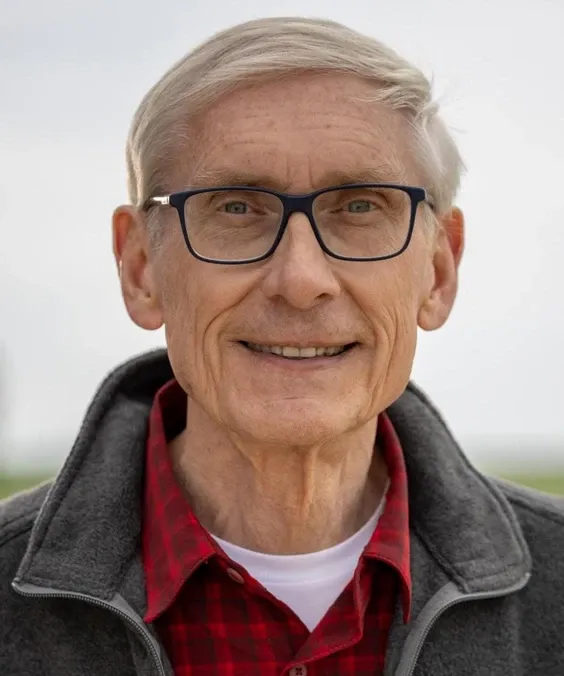
Tammy Baldwin
The Public Record
Tammy Baldwin is an American politician serving as the junior United States senator from Wisconsin since January 3, 2013. A member of the Democratic Party, she made history as the first openly LGBTQ+ person elected to the U.S. Senate. Baldwin previously served in the U.S. House of Representatives from January 6, 1999, to January 3, 2013, representing Wisconsin's 2nd congressional district. Throughout her career, she has focused on issues such as healthcare, education, and economic opportunity for all Americans.
Jun 12, 2017
I believe that the market is broken when people like Diane have to make that sort of decision and we continue to see these yearly price increases.
Jun 12, 2017
Holding drug companies accountable is a first step to addressing these dramatic price hikes that are making healthcare more and more unaffordable for too many families in Wisconsin.
Jun 12, 2017
It is why I had the opportunity to introduce the Fair Drug Pricing Act with my colleague, Senator John McCain, to require basic transparency and accountability.
Jun 12, 2017
I am glad this is a bipartisan hearing. We should be working on bipartisan solutions to improve costs instead of pulling the rug out from under so many of our constituents.
Jun 12, 2017
I fear that it is about to get even worse with the very partisan healthcare bill that is about to be brought to the Senate floor, which I believe will make many, many, many Americans pay a lot more for less care.
Jun 6, 2017
Being able to rely that the water coming out of the tap is clean and safe is one of our most fundamental responsibilities.
Jun 5, 2017
How do these truly draconian cuts in Federal financial aid programs reflect anything other than an effort to push college further out of reach to more and more young people?
Jun 5, 2017
Just some of these cuts in aggregate in my home State would mean that we would lose about $107 million in financial assistance for students.
Jun 5, 2017
Your budget would make college less affordable for students in my State, because it targets three campus-based programs.
Jun 5, 2017
How would $20 million for competitive grants make up for or replace the more than $1.5 billion in formula funding...
May 24, 2017
I have to wonder why is the President cutting funding that keeps our community safe from terrorist attack when there is an overall increase in the departmental budget.
May 24, 2017
I share your commitment to securing the border, but I question whether these significant increases are the most effective way to allocate limited resources to combat the threats that we face.
May 23, 2017
I would like to express my strong objection to President Trump's decision to cut the LCS program and put Wisconsin shipbuilding, and its skilled workers, and their families at great risk.
May 8, 2017
I introduced bipartisan legislation that would designate and support centers of excellence for domestic maritime workforce training.
May 8, 2017
I am glad to report that the omnibus spending bill doubled funding available for assistance to small shipyards and maritime communities in the Fiscal Year 2017 thanks to bipartisan support for the program.
May 3, 2017
Patient Care Services will develop a plan for phased implementation of telestroke program to link stroke specialists with emergency departments and include identification of patients that may benefit from endovascular therapies.
Mar 28, 2017
I'm working right now on a legislative proposal to establish a grant program to help launch and scale registered apprenticeships in targeted industries.
Mar 21, 2017
I hope you share my concern for innocent youths in any transition away from DACA.
Politicians like Tammy Baldwin