Mar 10, 2014
Getting to see some of this new technology today has helped me better understand the rapidly evolving landscape for the aviation industry.
The Public Record
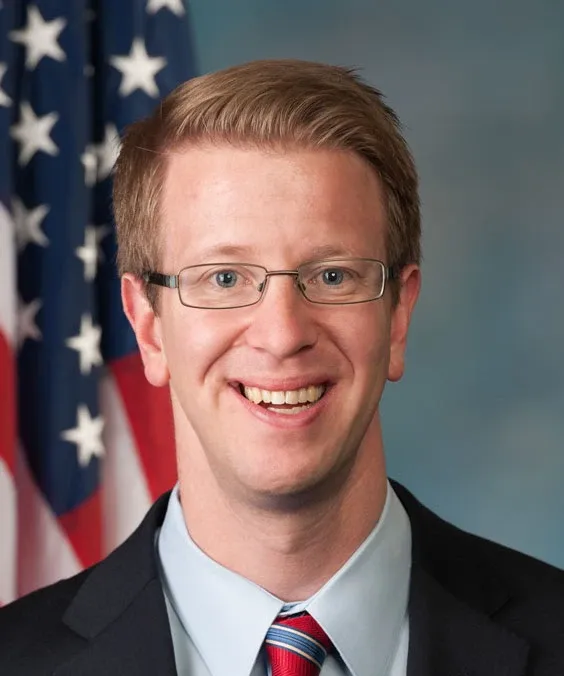
Rick Larsen is a member of the United States House of Representatives, representing Washington's 2nd congressional district since 2001. A member of the Democratic Party, Larsen has focused on issues such as transportation, economic development, and veterans' affairs during his tenure. He has served on various committees, including the House Transportation and Infrastructure Committee, where he has advocated for infrastructure improvements and funding for local projects.
Getting to see some of this new technology today has helped me better understand the rapidly evolving landscape for the aviation industry.
Frank has done a great job of organizing the work of the subcommittee to be sure that the subcommittee itself is on the cutting edge of trying to figure out where the FAA and where the national airspace and where the aviation system and…
I want to thank Chairman LoBiondo for calling today's hearing to discuss modernizing the aviation system, leveraging the assets of the FAA's William J. Hughes Technical Center.
The technological ability to pull stuff out of the ground is kind of ahead of our ability to plan ahead for it, for its transportation.
I continue to reserve the balance of my time. Mr. LoBIONDO. Mr. Speaker, I do not have any more speakers, and I am prepared to close when Mr. Larsen is finished.
I continue to reserve the balance of my time. Mr. LoBIONDO. Mr. Speaker, I would like to yield 3 minutes to the gentleman from New York (Mr. Hanna).
The aviation industry is global, it is competitive, there are new entrants in the market every day.
Together, we must take stock of those areas the act--the FAA has successfully implemented, and note where Congress may need to make adjustments.
Thank you, Chairman LoBiondo, for today's hearing on 'The FAA Modernization and Reform Act of 2012: Two Years Later.'
Thank you for your consideration, We look forward to working with you in the future.
The unnecessary release of sensitive, proprietary information could undermine the healthy competitive relationships that exist among fishermen.
We therefore urge you to not expand the release of information beyond that outlined in the proposed rule.
You and I have continued to work in a bipartisan way, as we have always worked.
We need a balanced and responsible solution for fiscal and budgetary issues that allows our aviation system to move forward.
The force of globalization, and the growth of emerging international markets present both opportunities and challenges for American aviation.
Simply put, American aviation cannot afford the American Government to keep doing the business as we did it in 2013.
It is important that neither the United States nor Canada insert additional domestic goals independent of the original purpose of the Treaty.
Eastern Washington depends on a healthy Columbia River system to provide low-cost energy, irrigation, and navigation.
I want to ensure that the treaty reflects the true needs of the Pacific Northwest and Eastern Washington.
To ensure that aviation manufacturing continues to play a critical role in our economy, Congress must provide adequate resources for FAA certification services.
The ability of U.S. manufacturers to improve our aviation system and compete successfully in the global marketplace is tied directly to the FAA's timely review of new products.
Now that you have the strategy, I know that the DOD has its strategy. In my office, we are going to put more time into looking at what it takes to implement that strategy.
We have no speakers, and I yield back the balance of my time. Mr. McKEON. Madam Chair, I yield back the balance of my time.
Politicians like Rick Larsen