Sep 24, 2024
So, it is clear we have a responsibility to ensure that those who are dedicating their lives to protecting us receive the resources and support they need to thrive, both on duty and off duty.
The Public Record
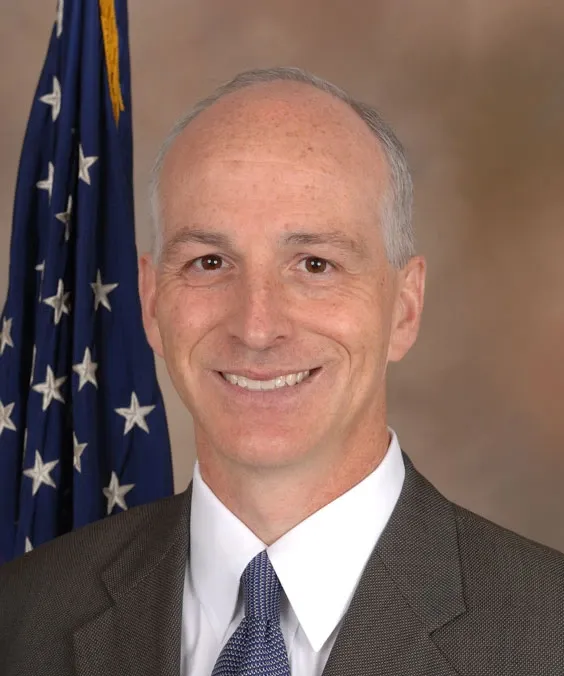
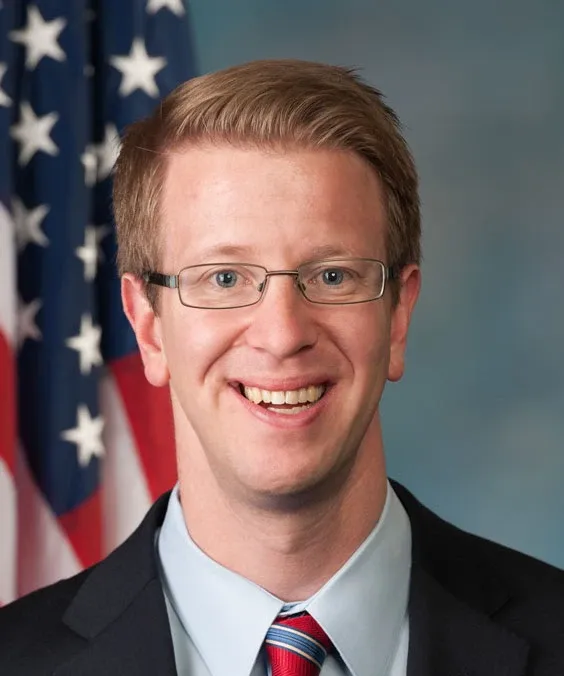
Rick Larsen is a member of the United States House of Representatives, representing Washington's 2nd congressional district since 2001. A member of the Democratic Party, Larsen has focused on issues such as transportation, economic development, and veterans' affairs during his tenure. He has served on various committees, including the House Transportation and Infrastructure Committee, where he has advocated for infrastructure improvements and funding for local projects.
So, it is clear we have a responsibility to ensure that those who are dedicating their lives to protecting us receive the resources and support they need to thrive, both on duty and off duty.
So, our Coasties deserve not only a robust healthcare system, but also the access to other services, like behavioral health services, that meet their needs promptly and effectively.
This is an FAA bill. It is an aviation manufacturing bill. This applies to everybody that it applies to.
We have to make sure the FAA has the resources and tools it needs to effectively conduct its investigation.
This event was terrifying to all those on board, but thanks to the calm and professional action of Alaska's flight crew, everyone returned to the ground safely.
As more is uncovered, it falls on Congress to support the FAA and NTSB in their ongoing investigations.
It just seems to me, returning to a pre-Sackett system of uniform Federal protections would be better than a patchwork approach.
To make broad statements that projects are getting killed every day because of WOTUS does not actually line up with the facts.
Passing the Clean Water Act of 2023, a bill I introduced in partnership with Ranking Member Napolitano, would restore the historic, bipartisan protections that the Sackett decision removed.
After the Sackett decision, the robust Federal protections for our Nation's waters have been eliminated for more than 50 percent of wetlands and up to 70 percent of streams.
A State-by-State, do-it-alone approach was, quote, 'inadequate in every vital aspect,' end quote.
It is more effective and less costly to prevent pollution than to clean up pollution.
Everyone is for roadway safety--I don't question that at all--but it does seem you are making somewhat of a case, if we just leave it to formula grants only, there is no guarantee investment will be made in roadway safety as opposed to if…
The Bipartisan Infrastructure Law has increased investment in roads, bridges, highways, construction, and it has increased jobs in that construction.
This DOT, under the leadership of Secretary Buttigieg, is implementing policies to make our transportation systems cleaner, greener, safer and more accessible.
While Congress writes the laws, federal agencies turn these legislative proposals into rules of the road that can be followed and enforced.
Thank you, Chairman Crawford and Ranking Member Norton, for holding this hearing today on the Department of Transportation's regulatory agenda.
I applaud the tireless work of the transportation safety advocates who help hold Congress and the administration to account as we work to make our roadways safer.
Committee Democrats have been calling for a rail safety hearing and rail safety legislation.
Today's hearing is an opportunity to hear a variety of perspectives on the NTSB's final report, which includes more than 30 additional rail safety recommendations, several of which require congressional action.
Since the Norfolk Southern derailment in East Palestine, Ohio, committee Democrats have been calling for a rail safety hearing and rail safety legislation.
Ensuring safety in every mode of transportation should always be this committee's top priority.
This hearing is taking place at a particularly important time of political and social unease.
Prior to the 1995 bombing of the Alfred P. Murrah Building in Oklahoma City, the Federal Government had no established approach to security for federally owned or leased facilities.
Politicians like Rick Larsen