Mar 3, 2010
Any kind of radical change in the role of the GSEs could also mean a dramatic change for FHA and Ginnie Mae.
The Public Record
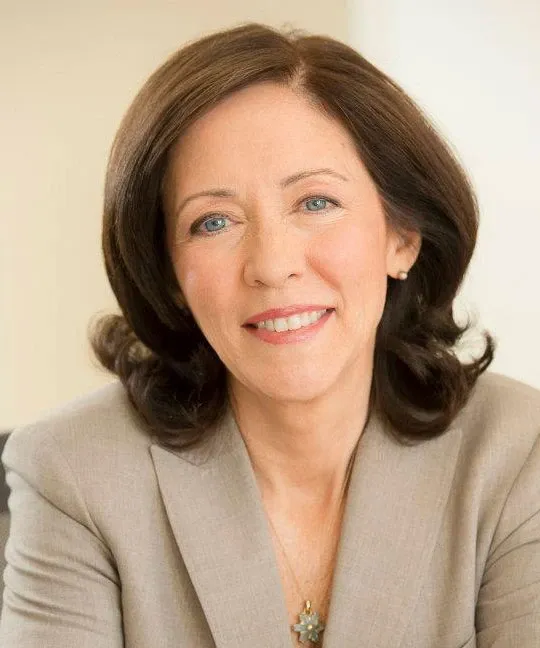
Patty Lynn Murray is a United States Senator from Washington, serving since 1993. A member of the Democratic Party, she has held various leadership positions in the Senate, including serving as the Senate's first female President pro tempore. Throughout her tenure, Murray has focused on issues such as education, healthcare, and women's rights, advocating for policies that support working families and promote economic growth.
Any kind of radical change in the role of the GSEs could also mean a dramatic change for FHA and Ginnie Mae.
So we know reform is necessary and there has to be a clear plan for ending this unlimited taxpayer assistance for Fannie and Freddie.
Well, as we now work to reform Wall Street and the financial sector and prevent any future housing crisis, it is really clear that we have to address the future of the GSEs.
You noted in your testimony that most of the expected losses are the results of mortgages from previous years.
Fulfilling the same role as it did when it was created during the Great Depression, the FHA has stepped forward to help provide liquidity and restore stability to the housing market.
The consequences of these risky behaviors have rippled through the national and global economies with mounting foreclosures, a crippled housing market, and a financial sector in turmoil.
As we sit here today, millions of Americans are out of work and many more are struggling with unaffordable mortgage payments, negative home equity, or foreclosure.
This morning we welcome Commissioner Stevens to his first appearance before our subcommittee as we examine the Federal Housing Administration and its role in the housing market.
We are hoping with the President coming later this month that we can have a resolution of this and move on.
I feel very strongly that our Washington State farmers and our families should not be punished for a diplomatic dispute they had nothing to do with.
I am told there is a list available somewhere in the administration of the barriers that exist. Is that available?
Yes, it does. And what I hear you saying is you are using your own expertise, you are sharing it, which is new, and you are not exclusively limiting yourself to your one area?
So I am assuming that one of the things you are looking at in proposals is, at the end of the day, does that community envision having lower costs as a result of their planning?
Well, following on that, what changes would you expect to see from a community after it has developed this integrated plan?
In some cases, the plans are a valued part of the process. But in others, they are largely ignored.
I want to hear from both of you on what you would tell Bellevue or other cities like that where they would now look for Federal funding.
The idea of a sustainable or livable community sometimes doesn't resonate in some of our smaller or rural communities.
I am concerned that this could provide some serious instability in the market.
Politicians like Patty Murray