Mar 3, 2010
Those jetties are so important to our shipping industry. That supports billions of dollars in economic activity throughout the region.
The Public Record
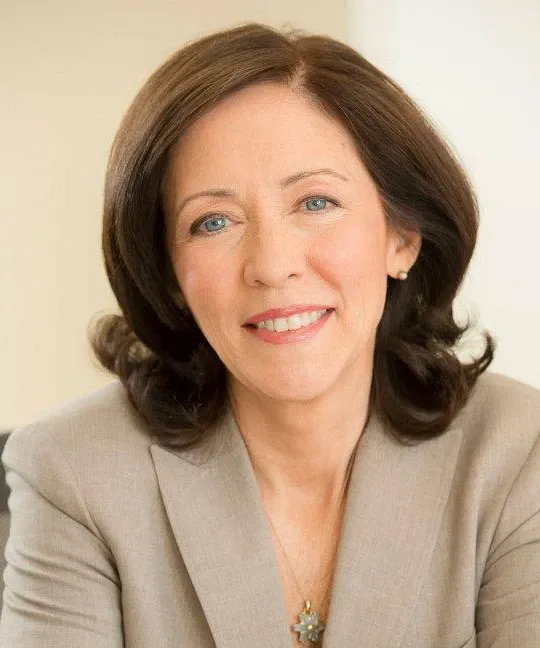
Patty Lynn Murray is a United States Senator from Washington, serving since 1993. A member of the Democratic Party, she has held various leadership positions in the Senate, including serving as the Senate's first female President pro tempore. Throughout her tenure, Murray has focused on issues such as education, healthcare, and women's rights, advocating for policies that support working families and promote economic growth.
Those jetties are so important to our shipping industry. That supports billions of dollars in economic activity throughout the region.
I worked very hard and was able to include $26.6 million in the Recovery Act for the Army Corps to complete the Columbia River Channel Deepening Project in Washington State.
I sent a letter to you all back in February urging you to move quickly on the study so that we will know what we need to do to protect our Green River Valley communities, and I can't stress enough how important it is that the Corps get…
I really want to thank you and Assistant Secretary Darcy for coming out, visiting the dam and seeing first-hand how important this is to all the people in the Green River Valley below it.
We must continue investment in our existing hydro facilities to allow us to use those flexible resources to firm up intermittent renewable resources like wind and solar.
I am concerned, however, that for the second year in a row the Water Program has been cut--by 25 percent this year.
I am pleased to once again see an increase in overall funding for EERE, because we've got to move forward toward a clean energy economy.
If we do not pay attention to those, if we do not meet the milestones and the legal obligations, the disaster that will hit this country is much, much larger than the cost that we have today.
We have got to have a Government that backs up its promises and commitments with real money.
We have to clean up this waste. It has to go somewhere and we cannot just unilaterally take one site out of the equation.
I just think it is irresponsible for the Department of Energy to discontinue the Yucca program altogether, its funding, licensing, and design.
Congress, independent studies, previous administrations have all pointed to and voted for and funded Yucca Mountain as the Nation's best option for a nuclear repository.
I would assume that a blue ribbon panel would not just say we are going to take this one off the table.
So then as these things go on, you are beginning to think are you beginning to pour good money after bad.
Three times in there you say that Yucca Mountain is 'not a workable option for nuclear waste disposal.' But what seems to be missing is the why.
I want to thank Secretary Chu for coming today, and I want to start out by asking you a few questions about some decisions that the administration has made on Yucca Mountain that I have been very dismayed by.
To think that you have housing when you fight over there, but you don't have it when you come back here is a national disgrace.
As we have discussed, CBO recently came out with its re-estimate of the receipts that FHA will generate from mortgages insured in fiscal year 2011.
And the other question I wanted to ask you about is the so-called shadow inventory.
How much of the $14 billion will actually cover the costs that are expected to result from additional risk and how much will be used to provide incentives to lenders or help extinguish second liens?
I have a financial literacy bill that we start teaching basic financial skills back in our elementary schools.
Politicians like Patty Murray