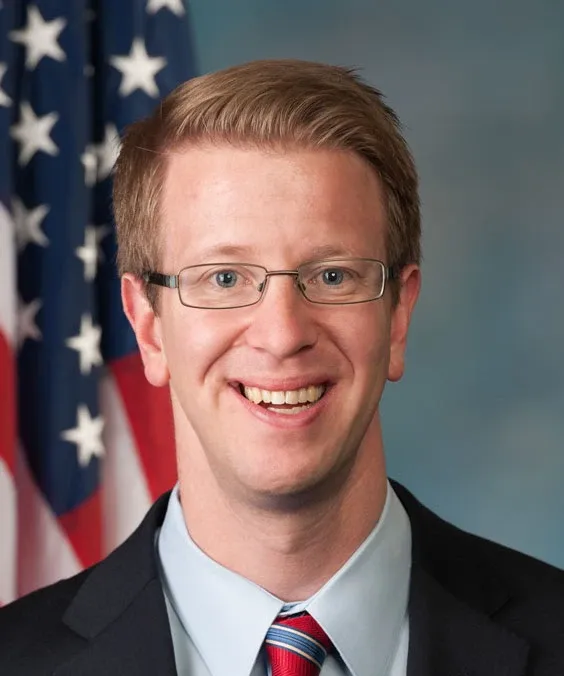
Maria Cantwell
The Public Record
Maria Ellen Cantwell is a United States Senator from Washington, serving since January 3, 2001. A member of the Democratic Party, she has been actively involved in various legislative efforts, particularly focusing on technology, environmental issues, and healthcare. Throughout her tenure, Cantwell has worked on policies aimed at promoting clean energy and protecting the environment, as well as advocating for affordable healthcare access for all Americans.
May 7, 2013
I am well aware of the importance of these settlement disputes with tribes and the positive impacts they can have.
May 7, 2013
S. 434, the Blackfeet Water Rights Settlement Act would settle a longstanding water dispute between the Blackfeet Tribe and the State of Montana.
May 7, 2013
I certainly appreciate you coming before the Committee today to talk about this very important issue to the State of Montana.
May 7, 2013
I want to welcome our colleague, Senator Baucus, and thank him for being here today for such an important hearing about an issue very important to Montana.
May 7, 2013
the ability of tribes to exercise jurisdiction over their lands and their resources.
Apr 24, 2013
I appreciate the leadership sponsoring S. 507, the Manhattan Project National Historical Park.
Apr 24, 2013
We are grateful for the co-sponsorship of Senators Patty Murray and Tom Udall.
Apr 23, 2013
The HEARTH Act recognizes the policy of self-determination by respecting tribes and trusting their judgments.
Apr 23, 2013
Last year, the HEARTH Act was a prime example of doing that, which allows Indian tribes to develop leasing regulations to enter into leases with third parties under those regulations without the need for BIA approval.
Apr 23, 2013
In short, in the wake of the Ramah and Arctic Slope decisions, contract support costs should be fully funded at $617 million.
Apr 23, 2013
This is just simply unacceptable. No caring parent would let their children study in a building infested with mold and vermin as the Bug School is.
Apr 23, 2013
If alive today, Teddy Roosevelt, who started the National Refuge System, would no longer be able to ride his horse on most of them.
Apr 23, 2013
We do look forward to working with Interior Secretary Sally Jewell in the hopes that America's Great Outdoors once again are for all Americans.
Apr 23, 2013
We believe that existing appropriations for economic development can be leveraged and maximized with more formal coordination with these Federal agencies.
Apr 23, 2013
The answer when you lose a case in the Supreme Court is to honor the ruling, not look for a way to get around it.
Apr 23, 2013
This Fiscal Year 2014 request includes $5 million for this program, a $2 million decrease from the Fiscal Year 2012 enacted levels.
Apr 23, 2013
Singling out Native American programs for sequestration cuts is unfair and at odds with the Federal Government's trust responsibilities.
Apr 23, 2013
We are very encouraged that Chairman Cantwell and Vice Chairman Barrasso are working to develop the Indian Energy legislation that is coming up for reintroduction in this Congress.
Apr 23, 2013
If any proposal is going to be advanced to alter our contract rights under the Indian Self-Determination Act, it should be done through an open and transparent process.
Apr 23, 2013
The agency has turned the Court's words in order to avoid paying our contracts in the future.
Apr 23, 2013
This is why facilitating economic development in Indian Country should go hand in hand with protecting funding levels for all Indian programs.
Apr 16, 2013
I think that will go a long way to helping States deal with these issues, so I very much appreciate that.
Apr 16, 2013
I do not know that that is the intended consequence, but I think people are concerned that that will be the unintended consequence, because those costs are not covered.
Politicians like Maria Cantwell