Mar 28, 2012
it seems to me that we continue to push hard decisions outside the Future Years Defense Program (FYDP).
The Public Record
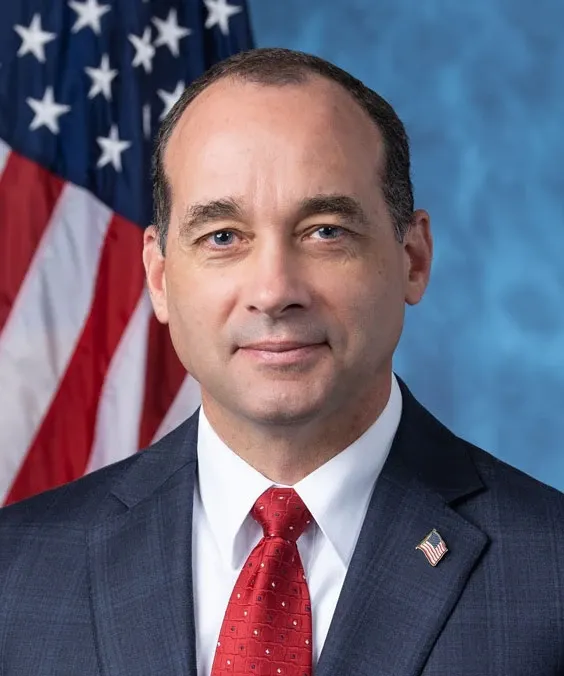
Rob Wittman is a U.S. Representative for Virginia's 1st congressional district, having served since January 9, 2007. A member of the Republican Party, Wittman has focused on issues such as military readiness, veterans' affairs, and environmental protection. He has been an advocate for the Chesapeake Bay and has worked on legislation aimed at improving the health of the bay and its surrounding ecosystems.
it seems to me that we continue to push hard decisions outside the Future Years Defense Program (FYDP).
throughout history, insurgencies have seldom been defeated by foreign forces. Instead, they have been ultimately beaten by indigenous forces.
As a bottom line up front, it is ISAF's assessment that the momentum achieved by the Taliban in Afghanistan since 2005 has been arrested in much of the country and reversed in a number of important areas.
I will be interested to hear how TRANSCOM is managing these challenges and what efforts are being made to further develop the Northern Distribution Network through central Asia.
the new Yemeni government will need assistance in order to reorganize its military under civilian control and build capacity to deal with critical national security threats.
With China's rapid military modernization, do you see the United States entering into a Cold War-type scenario with China in the coming years?
General, East Africa remains a key operating and training area for Al Qaeda associates, and specifically, the Somalia-based terrorist group al-Shabaab.
In attempting to build these partnerships, how are AFRICOM and U.S. military efforts in Africa perceived by Africans and by other foreign countries, including China?
What incentives is the Army utilizing in order to attract and keep our best, brightest, and most experienced Soldiers to the Reserve force as they transition out of the Active Duty Component?
We need all the jobs we can get, and we need to keep the revenue that is being generated there.
How does the Army plan to streamline its capabilities to respond to the threats of the future?
The new strategic guidance clearly states the DOD will increase focus in Asia-Pacific and rely more heavily on maritime forces in the Middle East.
the strategy to shift our focus towards the Asia-Pacific demands that marines not only go back to their roots of amphibious warfare
The status of the amphibious fleet concerns me, especially with our strategic shift to the Asia Pacific.
To lose 7 cruisers early that are not near their expected end of life... does not add up.
These ships will be great ships for their specific missions; but they obviously do not have nearly the capabilities of the 7 Aegis Class cruisers.
As we move to enable the ANSF and ALP to take the lead on combat operations in Afghanistan, how are we calculating the risk that the plan could fail?
We are shifting our focus and strategy to increased operations and increased presence in the Asia-Pacific and the Middle East.
Politicians like Rob Wittman