Mar 3, 2020
I want to thank you so much for your leadership and for your steadfast conviction to make sure we have the Navy that this Nation needs.
The Public Record
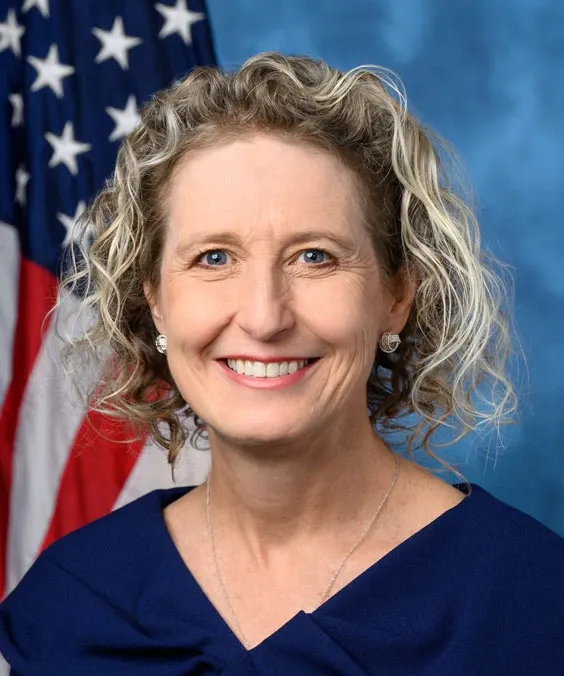
Rob Wittman is a U.S. Representative for Virginia's 1st congressional district, having served since January 9, 2007. A member of the Republican Party, Wittman has focused on issues such as military readiness, veterans' affairs, and environmental protection. He has been an advocate for the Chesapeake Bay and has worked on legislation aimed at improving the health of the bay and its surrounding ecosystems.
I want to thank you so much for your leadership and for your steadfast conviction to make sure we have the Navy that this Nation needs.
I continue to be impressed with this change and look forward to more actionable items to implement a long-needed turn to the future of military conflict.
General Franks... understood the value of these forces when he was quoted as simply saying, 'forget logistics, you lose.'
The combatant commanders are begging for more undersea strike capacity, yet this budget request seeks to perpetrate this egregious deficit.
Unfortunately, his vision and foresight have not been replicated in the budget request.
I would like to thank Secretary McCarthy and General McConville for prioritizing personnel and your efforts there, as well as readiness and modernization.
Unlocking the Harbor Maintenance Trust Fund is key to ensuring we're not just adding to the $100 billion dollar backlog.
As a proud representative of the Commonwealth of Virginia, home to the Port of Virginia--one of the largest and busiest ports on the eastern seaboard--advancing the work being done by the Port of Virginia to improve and expand its…
I look forward to working with the committee, the Corps of Engineers, and Virginians as we move forward to implementing WRDA 2020.
The Port of Virginia is a national gateway for commerce, supporting businesses across the country.
Water infrastructure is vital to moving goods throughout the country from products we all use in our everyday lives, to crops and goods we produce domestically and send abroad.
I want to thank the Chairwoman, Ranking Member, and Members of the committee for this opportunity to testify today.
The Army Corps of Engineers is critical to our state, from the Norfolk Harbor Channel Deepening project, the Elizabeth River Southern Branch Navigation Improvements Project, and waterways restorations.
The Water Resources Development Act is necessary legislation that provides for improvements to the Nation's ports, inland waterways, flood protection, ecosystem restoration, and other water resources infrastructure.
Increased shipping traffic and larger vessels are straining the port's current capacity.
I agree with General Lyons and think it is time to reverse this dangerous trend.
I think it is incredibly important to have flexibility in the SCN account, especially since the demand is going up.
I think the logistical element of supporting forces, sustaining forces, is going to be key...
It appears, though, that looking at the quarterly report showing deficiencies to Congress, it appears to me that there are still issues with basic and intermediate training.
I think that would be very helpful to us is for you to lay that out so that we could be mindful of it.
Politicians like Rob Wittman