Jun 28, 2018
It is our duty, as this Congress, to find and to hold in contempt those people who do not respond, and then to take their persons into possession and have them explain to a judge how it is that they plan to purge themselves of that…
The Public Record
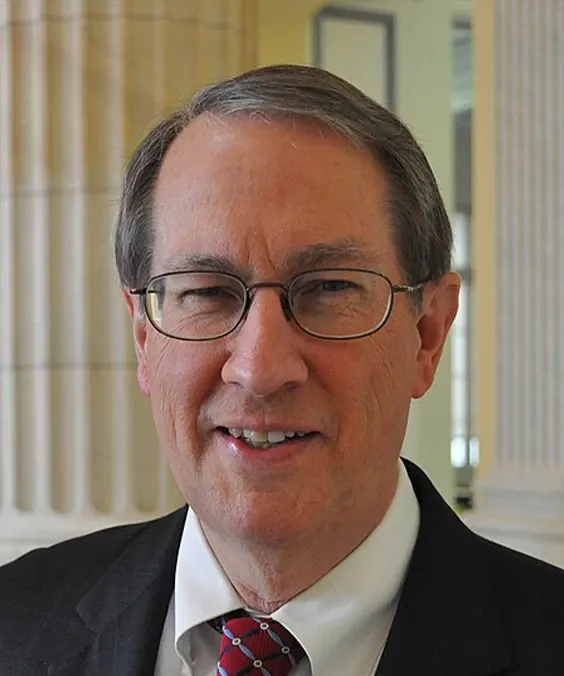
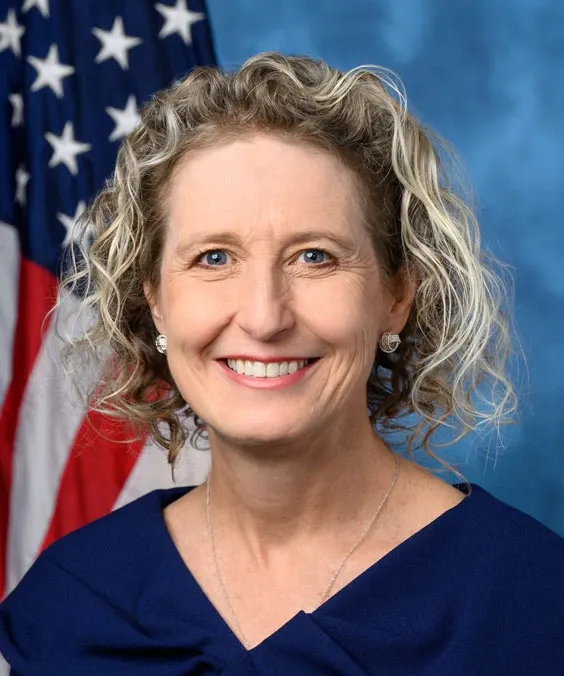
Howard Morgan Griffith is an American politician serving as the U.S. Representative for Virginia's 9th congressional district since January 5, 2011. A member of the Republican Party, Griffith has focused on issues such as healthcare, energy, and economic development during his time in office. He has been an advocate for rural communities and has worked on legislation aimed at supporting local economies in Virginia. Griffith previously served in the Virginia House of Delegates before his election to Congress.
It is our duty, as this Congress, to find and to hold in contempt those people who do not respond, and then to take their persons into possession and have them explain to a judge how it is that they plan to purge themselves of that…
DOE, earlier this year, announced a project in conjunction with Virginia Tech in my district to investigate the resources--the resource potential for reservoirs in the Nora Gas Field in southwest Virginia.
But from what I understand--you correct me if I am wrong--our LNG resources can reach worldwide and be pretty competitive wherever we go.
I represent a coal district like Mr. McKinley does as well--obviously, you know, it doesn't make sense very often unless you need some good high-quality, as they called it this morning, coking coal.
It is an extremely important in an area that has been economically hit hard by the previous administration and by policies that have not looked out for folks in more rural, in areas that have a coal-based economy.
Those 12 folks who were working at your facility in Bristol, Virginia, they don't think that this tax cuts and jobs bill was just crumbs for them, do they?
Tax reform, tax cuts, it has started to show benefits in my district in southwest Virginia.
These were true heroes and they really did save the possibility of a vibrant world with democratic principles in place
Kind of makes it hard for folks to comply when you have got all these overlapping and sometimes confusing regulations, isn't it?
And whether we are dealing with manufacturing or we are dealing with electric generation or refining, we actually want those people to be more reliable, don't we?
My understanding is is that the Obama administration EPA, which was very aggressive on a lot of these issues--a lot of these issues never tried to take the New Source Review rule and implant that into the New Source Performance Standards.
And in fact, I would submit--and I want to know if you agree--that in some ways, by having rules that don't make sense we actually might increase the mercury being deposited from foreign sources in New Jersey that Mr. Baldauf is worried…
Well, and I am glad that we agree that narrow and targeted NSR is necessary but that we need to make some reforms.
I am not going to tell Mr. Bassett it can't be done. We need to change this rule and I appreciate your help in that regard.
We should have an NSR program that presents clear standards for when reviews are necessary.
So, basically, if you're more efficient, that's bad from the viewpoint of those that don't want to----
How much cleaner would the air be if we'd have had reasonable rules in place from the get-go?
This is not just about the big businesses or the big electric plants. It's about small businesses as well.
And my colleague says, why would they do that? And, of course, maybe they would; maybe they wouldn't. I don't know.
I think about 80 to 85 percent of what the previous administration wanted to accomplish could have been accomplished if they hadn't done sloppy legal work.
I have a bill and it's been so frustrating that Senator Tim Kaine and I--we don't generally agree on a lot of things--we both have bills in.
I would like to reform the RFS, but I am not so sure this is the way it needs to be reformed.
Politicians like Howard Griffith