Jan 9, 2015
Article I, section 1: ``All legislative powers herein granted shall be vested in a Congress of the United States, which shall consist of a Senate and House of Representatives.'' I now yield to the majority leader, the gentleman from…
The Public Record
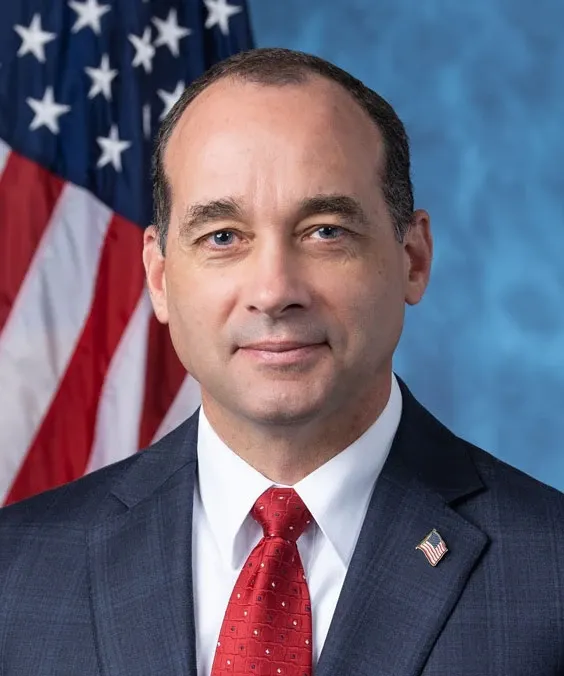
Bob Goodlatte is a former Republican member of the U.S. House of Representatives, serving Virginia's 6th congressional district from 1993 to 2019. During his tenure, he was known for his work on issues related to agriculture, technology, and internet policy. Goodlatte played a significant role in introducing legislation such as the Internet Gambling Prohibition Act of 1999 and the Rural Local Broadcast Signal Act. He also served as the Chairman of the House Judiciary Committee, where he focused on matters including intellectual property and immigration reform.
Article I, section 1: ``All legislative powers herein granted shall be vested in a Congress of the United States, which shall consist of a Senate and House of Representatives.'' I now yield to the majority leader, the gentleman from…
This causes the House and the new Senate to focus on restraining the President.
It would have been wise and a good thing if the President had acknowledged the will of the voters.
I have one speaker remaining, and so I reserve the balance of my time to close.
At this time, it is my pleasure to yield 2 minutes to the gentleman from Georgia (Mr. Collins), a member of the Judiciary Committee.
At this time, it is my pleasure to yield 1\1/2\ minutes to the gentleman from South Carolina (Mr. Sanford).
At this time, I am pleased to yield 3 minutes to the gentleman from Pennsylvania (Mr. Barletta).
At this time, it is my pleasure to yield 2 minutes to the gentleman from Tennessee (Mr. Duncan).
It is my pleasure to yield 3 minutes to the gentleman from Louisiana (Mr. Scalise), the majority whip.
At this time, it is my pleasure to yield 5 minutes to the gentleman from Alabama (Mr. Bachus), the chairman of the Subcommittee on Regulatory Reform, Commercial and Antitrust Law, and the chief sponsor of this legislation.
It didn't give it to the President; clearly, and simply gave it to the Congress. Now, some of us may disagree with that. But it's the Constitution.
Isn't it true that the Office of Legal Counsel doesn't have a particularly great track record when it comes to questions of executive power?
This is the very type of a broad policy against enforcement that is so extreme as to amount to an abdication of the President's statutory responsibilities.
President Obama wants a special pathway to citizenship for 11 million unlawful immigrants and without any assurance that our Nation's immigration laws will be enforced in the future.
The Constitution is clear. It is Congress' duty to write our Nation's laws, and once they are enacted, it is the President's responsibility to enforce them.
President Obama has just announced one of the biggest constitutional power grabs ever by a President.
When President Obama announced unilateral changes to our immigration system with a wave of his pen and cellphone on November 20th of last year, he indicated that he would allow millions of unlawful and criminal aliens to evade immigration…
We strongly urge you to respect the Constitution, abandon any unconstitutional unilateral executive actions on immigration.
The Executive cannot, under the guise of exercising enforcement discretion, attempt to effectively rewrite the laws to match its policy preferences.
What are the ongoing efforts to improve the ability of the DEA to set up a system where you can distinguish between the two so that this potential industry can continue to grow but not hamper the ability of the DEA to enforce the law?
The DEA is going to have to make adjustments and they are going to have to be aggressive about finding ways to more easily distinguish between what is going to be legal and what is going to be illegal.
As this grows, literally and figuratively, this is an industry that is going to grow and you are not going to just have state departments of agriculture and research facilities at universities involved, but you are going to have lots and…
Politicians like Bob Goodlatte