Oct 2, 2017
I hear from patients with serious life-threatening conditions, constituents in north Texas, being frustrated with what they see as a regulatory barrier from trying and experimenting with new therapies when all others have failed them.
The Public Record
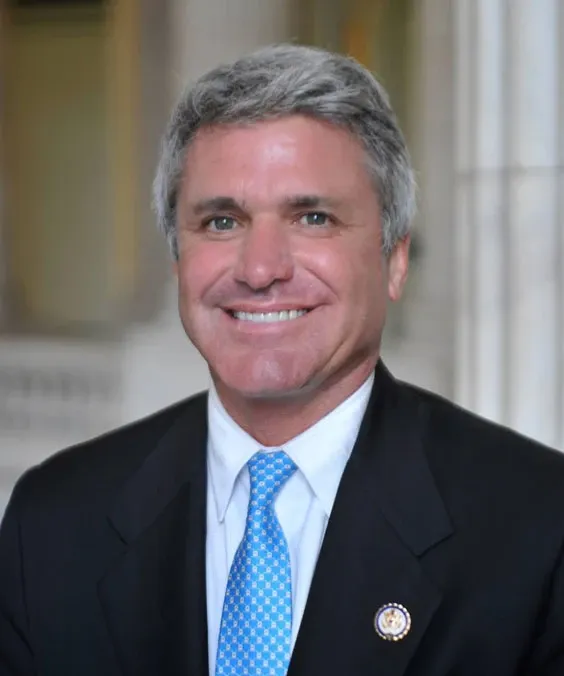
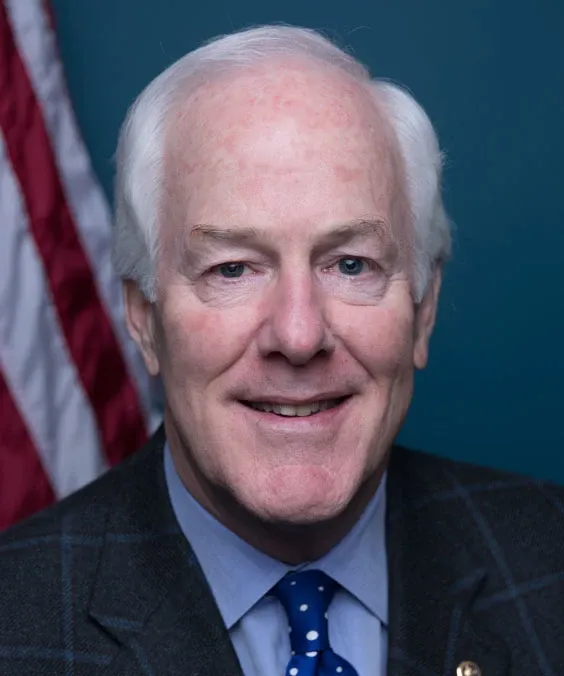
Michael Clifton Burgess is an American politician and physician who has served as the U.S. Representative for Texas's 26th congressional district since 2003. A member of the Republican Party, Burgess has focused on healthcare policy, leveraging his medical background to inform his legislative work. He has been involved in various committees and has advocated for issues such as medical research and veterans' healthcare. Burgess has also been a vocal supporter of conservative fiscal policies and has participated in discussions surrounding healthcare reform.
I hear from patients with serious life-threatening conditions, constituents in north Texas, being frustrated with what they see as a regulatory barrier from trying and experimenting with new therapies when all others have failed them.
There are strong view and I am confident that what comes out of this hearing will lead to a productive discussion and all of us getting closer to meeting the needs of our constituents and solving problems tomorrow that seem insoluble today.
It seems we are at a crossroads when lifesaving treatments, while not yet approved, exist but patient cannot have access.
I also recognize that the Food and Drug Administration must strike the right balance between ensuring public safety and granting access to new treatments.
I understand the feelings and the passions of individuals who believe these therapies have the potential to save their life.
I want to thank everyone for joining us this morning. We are here to explore an issue that is very personal to many patients.
Today the DCCP subcommittee will focus on a massive data breach executed against Equifax, but this is just one of many recent data breaches nationwide.
I shared Mr. Engel's concern that we finish up our work and both houses get the work done and get the programs approved.
Addressing the elder care workforce crisis and the other vital health professions programs under the Public Health Service Act is an opportunity we cannot afford to ignore.
I have always found that door to be open, and I have been grateful for that.
I made the decision nothing was going to deter us from getting the user-fee agreements across the finish line.
Today's hearing marks the Health Subcommittee's first public discussion on modernizing the current system at the United States Food and Drug Administration to review, approve, and update over-the-counter drugs.
As Margaret Thatcher once aptly observed, you can eventually run out of other people's money.
I don't disagree, but even as the gentlelady from California mentioned taking care of her parents...
SNPs enjoy bipartisan support because of their successful record in providing comprehensive, coordinated care to about 2 million Medicare beneficiaries.
We want detailed feedback from stakeholders on the policies and specific language in this draft.
Special Needs Plans enjoy bipartisan support because of their successful record in providing comprehensive coordinated care to two million Medicare beneficiaries.
Today the committee moves forward with its work in regular order to examine extending and improving the Medicare Advantage Special Needs Plans.
The Independent Payment Advisory Board was not supported by a single Republican in the 109th Congress.
That is not how we make decisions in something so important. Because Medicare is just simply too important for our seniors, who already struggle to make ends meet, to be subjected to cuts in this way.
Each of these policies exemplifies our shared commitment to strengthening the Medicare program for current beneficiaries, and improving it for future generations.
I would like to thank Representative Dingell for working with me on two of the bills that we will be considering today, H.R. 3120 and H.R. 3263.
Number one, it is not germane, and it is more complicated now because the Food and Drug Administration has gotten involved in the process. I wish it were straightforward. It is something I continue to work on.
Politicians like Michael Burgess