Dec 11, 2017
In fact, in the Health Subcommittee, we did have our first oversight hearing of the Comprehensive Addiction and Recovery Act.
The Public Record
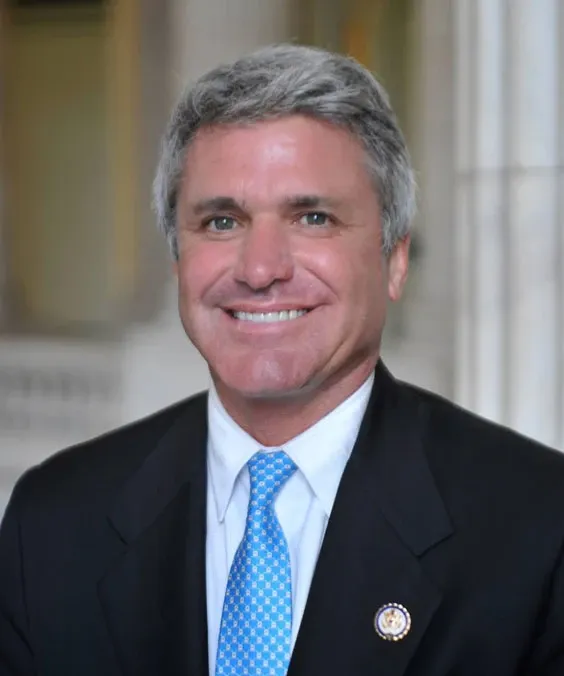
Michael Clifton Burgess is an American politician and physician who has served as the U.S. Representative for Texas's 26th congressional district since 2003. A member of the Republican Party, Burgess has focused on healthcare policy, leveraging his medical background to inform his legislative work. He has been involved in various committees and has advocated for issues such as medical research and veterans' healthcare. Burgess has also been a vocal supporter of conservative fiscal policies and has participated in discussions surrounding healthcare reform.
In fact, in the Health Subcommittee, we did have our first oversight hearing of the Comprehensive Addiction and Recovery Act.
This hearing is important. We're here to examine the possibility, the likelihood of unethical behavior in our substance abuse treatment system.
I remember remarking at that press conference a year ago to imagine a world in which government was not an obstacle but an ally.
Staunch oversight of MACRA is critical. We must avoid the pitfalls of what we did since 1997.
It is critically important that MACRA succeeds, and I am glad that the committee remains dedicated to ensuring we get payment reform right.
MACRA represents a fundamental change in a health care payment system that had remained static for many years.
It is important to hear the positive impact this law has had so far from everyone here today.
Personally, for me, the Medicare Access and CHIP Reauthorization Act was a significant milestone because repealing the Sustainable Growth Rate formula was one of my highest priorities coming to Congress.
I am pleased to yield 3 minutes to the gentleman from Alabama (Mr. Byrne), who is a fellow member of the House Rules Committee.
I recall things a little differently. I recall the lie of the year being, if you like your doctor, you can keep your doctor, but I guess that is a debate for another day. Mr. Speaker, today's rule provides for consideration of an important…
I can't help but think, had those requirements been in place... that would have been helpful.
The opioid crisis has touched every corner of American society--no one is immune from this heartbreaking problem.
Let's don't become too dependent on naloxone because it becomes a crutch and that is just not good.
In 2015, the European Court of Justice invalidated the United States-European Union Safe Harbor Framework.
I need to know before I die that if my children find themselves in this unenviable position, this Nation that I proudly serve will respect their liberties and the right to make their own decision about their medical treatments.
The argument that Right to Try legislation is going to make more people have access to experimental medicines does not exist in my mind as a drug developer nor in anybody I know, and I can't say it more bluntly than that.
The Right to Try laws address none of those reasons, and I think that is--in my original statement, I said this is feel-good legislation for legislators, and I am sorry to say it so bluntly.
One of the elements of feedback that we've given to Congress through our technical assistance is to make sure that the patient protections that Congress intended to be available under this legislation are also available to patients.
The Commissioner of the Food and Drug Administration should clearly communicate how the agency will use adverse event data from expanded access use when reviewing drugs and biologics for approval and marketing in the United States.
While I appreciate the intent of the legislation, I cannot support it in its current form.
Politicians like Michael Burgess