Jul 25, 2018
The formula's unrealistic assumptions of spending and efficiency have plagued the healthcare profession and our Medicare beneficiaries for 13 years.
The Public Record
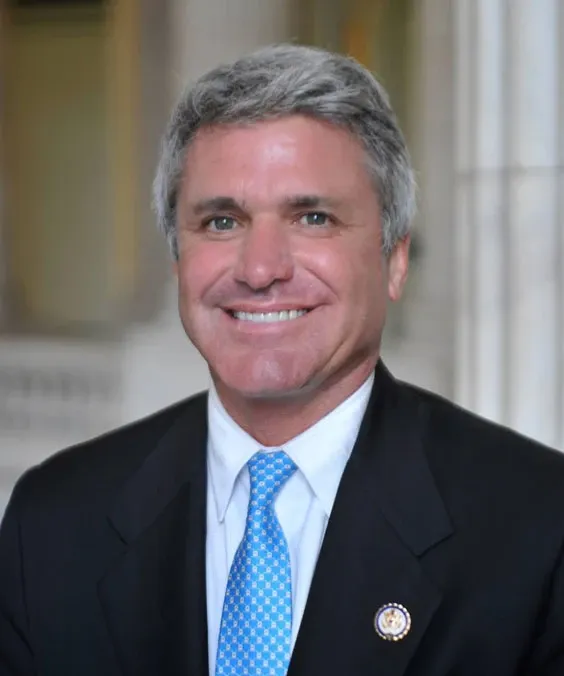
Michael Clifton Burgess is an American politician and physician who has served as the U.S. Representative for Texas's 26th congressional district since 2003. A member of the Republican Party, Burgess has focused on healthcare policy, leveraging his medical background to inform his legislative work. He has been involved in various committees and has advocated for issues such as medical research and veterans' healthcare. Burgess has also been a vocal supporter of conservative fiscal policies and has participated in discussions surrounding healthcare reform.
The formula's unrealistic assumptions of spending and efficiency have plagued the healthcare profession and our Medicare beneficiaries for 13 years.
MACRA, which I championed through the 114th Congress, is the product of careful, intricate, bipartisan negotiations and passed both chambers of Congress with broad support.
I look forward to hearing from each of you about how the implementation of this important law is progressing.
I am hopeful that we are able to do something, because particularly in gene therapy or gene editing, rather, where you have one shot that is going to cure something that is a lifelong problem, that is huge.
I always got the impression that when Hepatitis C, when SOVALDI came down the pike, that the payers at the State level, certainly the Medicaid payers, were not ready for what was happening.
I always felt while we were doing the roundtables for Cures, that that is likely where the big money was.
The 21st Century Cures Act provides hope to those who need it the most--individuals and families suffering from life-altering, often life-threatening illnesses.
As with all landmark laws, I think it is critical that the Congress, especially the relevant authorizing committee, engage in oversight to ensure that the agencies are implementing the law according with legislative intent.
Cures requires the Food and Drug Administration to evaluate its trial designs and issue guidance for the purposes of 'incorporating complex adaptive and other novel trial designs.'
We need to ensure that patients with substance use disorder have access to the treatment they need and we do not unintentionally limit access.
Patients need transparency into the quality of addiction treatment of the providers nationwide.
H.R. 6 did pass through this committee and, indeed, on the floor of the House. And we do call on the Senate, the other body, to take that up.
I have an amendment at the desk. The Acting CHAIR. The Clerk will designate the amendment. The text of the amendment is as follows: At the end of division A (before the short title), insert the following: Sec. __. None of the funds made…
We want to fix the problem, but we don't want to give up all the privacy rights and balancing the two are tough.
I worked hard with Senator Smith to authorize the original Garrett Lee Smith Memorial Act which provides information and training for suicide prevention.
We prioritized access to evidence-based programs and best practices to make them available to providers across the Nation.
Cures also made important progress in boosting resources for suicide prevention.
We granted States additional flexibility in administering mental health block grants to address the specific needs of their patient population.
It is also important, as an authorizing committee, that, once we pass legislation, we come back and review is it working?
These policies were the result of multiyear, multimember bipartisan congressional effort, and they are based largely off the Helping Families in Mental Health Crisis Act.
It is really important that we do oversight on how 21st Century Cures and the wonderful bipartisan changes incorporated therein are now being implemented.
Access to mental health and substance use disorder care, especially in the midst of an opioid epidemic, is vital to the overall health of our nation.
Politicians like Michael Burgess