Jul 18, 2018
This legislative effort represents the most significant reforms to the mental health system in more than a decade.
The Public Record
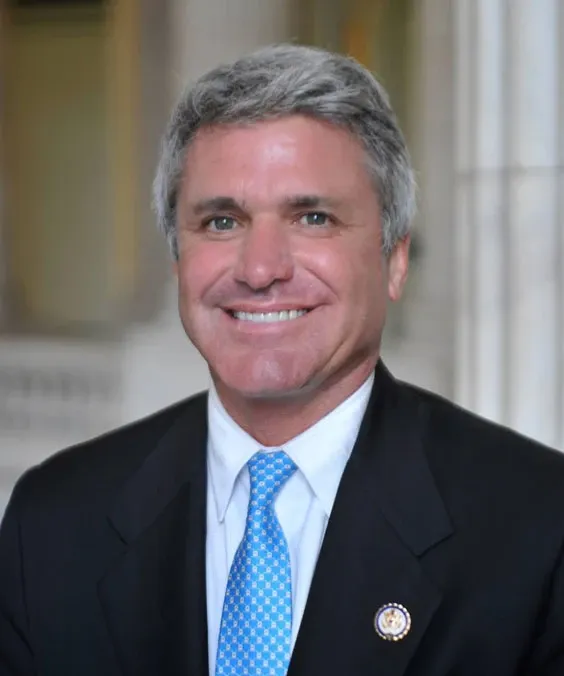
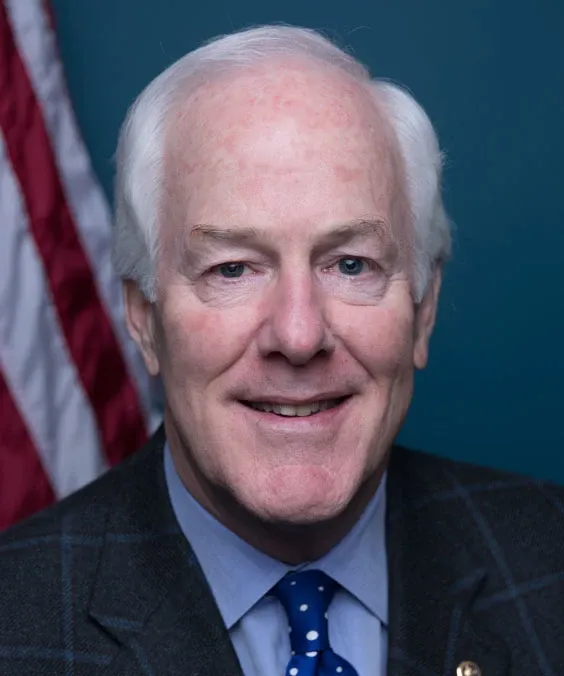
Michael Clifton Burgess is an American politician and physician who has served as the U.S. Representative for Texas's 26th congressional district since 2003. A member of the Republican Party, Burgess has focused on healthcare policy, leveraging his medical background to inform his legislative work. He has been involved in various committees and has advocated for issues such as medical research and veterans' healthcare. Burgess has also been a vocal supporter of conservative fiscal policies and has participated in discussions surrounding healthcare reform.
This legislative effort represents the most significant reforms to the mental health system in more than a decade.
Mr. Green and I have been working on transparency for the past several years.
Well, thank you, Mr. Chairman. And, Mr. Chairman, it is my fondest wish that one day I will come into a hearing in the Energy and Commerce Committee and there will be five doctors at the witness table, and they are going to expound for us…
Patients should be able to learn about how much something is going to cost them before they get it.
If we're going to successfully reduce healthcare costs, we need to empower patients and engage them in the decision-making process.
If we had transparency and we knew all the money was being used for the intent of the program I think you could make that case.
The 340B Drug Discount Program is exactly that, and that's why I authored H.R. 6071, the Serve Communities Act, which will codify the program's true intent, improve program integrity, and further extend it to mitigate the opioid crisis.
This is not the agency that makes the decision about whether or not a family unit is kept together, but they are obligated to take care of--whether a child arrives unaccompanied or is separated from their family.
For the purpose of debate only, I yield the customary 30 minutes to the gentlewoman from California (Mrs. Torres), pending which I yield myself such time as I may consume. During consideration of this resolution, all time yielded is for…
PAHPA reauthorization is a unique opportunity to examine our response to all threats and ensure we look forward to the future.
Reauthorizing PAHPA is an important public health and national security issue and I look forward to working with all members of the committee on this bipartisan effort.
I am proud to be working on this important bill with my good friend, Representative Eshoo, who was one of the authors of the first PAHPA bill in 2006.
I want to thank both Representative Susan Brooks and Anna Eshoo for working on this draft legislation which is being considered today.
I am pleased to yield 3 minutes to the gentleman from Texas (Mr. Barton), the vice chairman of the full committee and chairman emeritus of the Energy and Commerce Committee. (Mr. BARTON asked and was given permission to revise and extend…
I, too, want to express my strong support for S. 292, the Childhood Cancer Survivorship, Treatment, Access, and Research Act of 2018, Childhood Cancer STAR Act. And, once again, I want to thank my colleague, the gentleman from Texas (Mr…
This has been one of the most difficult hearings to research and prepare for.
So it is again working on workforce issues over the past several years in Texas we have been focused on the fact that we are educating more doctors that we can perhaps provide residency slots for.
This is a $30 million per year increase in this funding which has only been appropriated at a level of around 300 million for each of the past 5 years.
This legislation, authored by the Ranking Member and Chairman of this very subcommittee, is incredibly important in ensuring that we have adequate financial support for our pediatric workforce.
This legislation, authored by Ranking Member Green and the chairman of this very subcommittee, is important in ensuring that we have adequate financial support for our pediatric workforce of the future.
The conferees wish to stress their conviction that the strictest adherence to confidentiality of substance use disorder patient records is absolutely essential to the success of all drug abuse prevention programs.
I urge all my colleagues today to take a look at how we can bring substance use disorder treatment and the rules and laws governing them into the 21st century.
Politicians like Michael Burgess