Feb 5, 2019
I want to congratulate you. As you are quickly finding out, you now occupy the most important subcommittee chair in the entire United States House of Representatives.
The Public Record
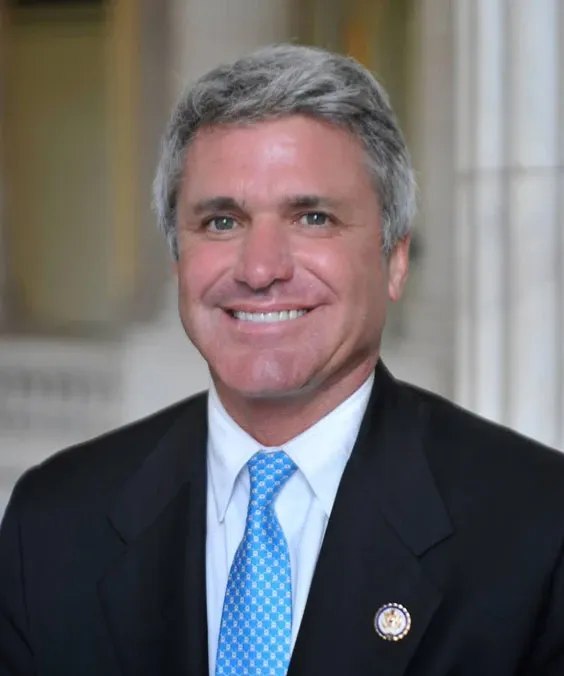
Michael Clifton Burgess is an American politician and physician who has served as the U.S. Representative for Texas's 26th congressional district since 2003. A member of the Republican Party, Burgess has focused on healthcare policy, leveraging his medical background to inform his legislative work. He has been involved in various committees and has advocated for issues such as medical research and veterans' healthcare. Burgess has also been a vocal supporter of conservative fiscal policies and has participated in discussions surrounding healthcare reform.
I want to congratulate you. As you are quickly finding out, you now occupy the most important subcommittee chair in the entire United States House of Representatives.
I would just ask a simple question: What has happened to your insurance premium since the passage of the Affordable Care Act? They have gone up. They have gone up a lot. What has happened to the cost of prescription drugs since the passage…
I urge all Members to support the bill before us today, and I yield back the balance of my time.
We have no further speakers. We did pass this bill in this House in December. I urge all Members to support the bill as it goes forward today. Mr. Speaker, I yield back the balance of my time.
I would just like to take a second and thank Representative Davis for his kind remarks, and I reserve the balance of my time.
I want to take a moment to thank my friend and colleague Congressman Gene Green for his many years of service on the Energy and Commerce Committee.
One of the banes of my existence when I practiced was dialing 1-800-California to get permission to do something that I knew was clinically indicated.
Something's gone terribly wrong. Doctors are among the most technology-avid people in society.
I think the Cures Act provides a vast amount of transparency to patients in healthcare, so I think that is very powerful.
I think we want to be very, very careful that we don't have further burden on innovation.
The intensity of that the exchange that morning is one of the things that I have carried with me over these years.
I am extremely disappointed that, 2 years after the passage of Cures, we still do not have the regulations necessary to implement these provisions.
Our society, our economy have become increasingly driven by technology, and healthcare, of course, is no exception.
Today's hearing completes the 21st Century Cures trifecta covering the last remaining title, Health Information Technology.
In 2018 we have held two Cures implementation hearings, including focusing on biomedical research and innovation at the National Institute of Health and the Food and Drug Administration and the hearing on the mental health title.
The subcommittee on Health will come to order, and I will recognize myself 5 minutes for the purpose of an opening statement.
Thank you for being with us this morning and we will move immediately to our second panel.
I believe it should be a national goal to eliminate all preventable maternal mortality. Even a single maternal death is too many.
I am pleased to yield such time as he may consume to the gentleman from Georgia (Mr. Carter).
Eliminating or reducing the effectiveness of the Stark and Anti-kickback laws is not a delivery system reform agenda.
I also want to stress the continuing importance of these laws, which are intended to ensure that doctors do what is best for patients.
I know some stakeholders view these laws as a barrier to value-based payment reform.
It is an extremely important concept to be able to look for preventative healthcare at a wider window than the 10-year typical budgetary window.
We are not in favor of removing Stark prohibitions on fee-for-service standard, self-referral, and things like that.
Politicians like Michael Burgess