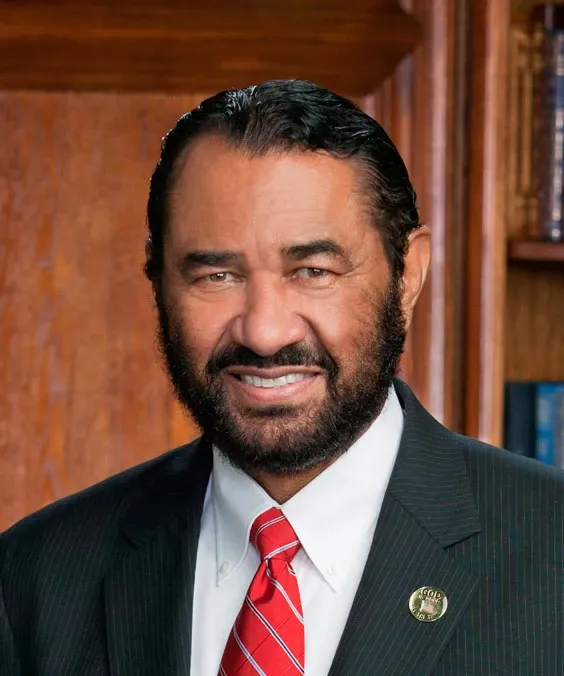
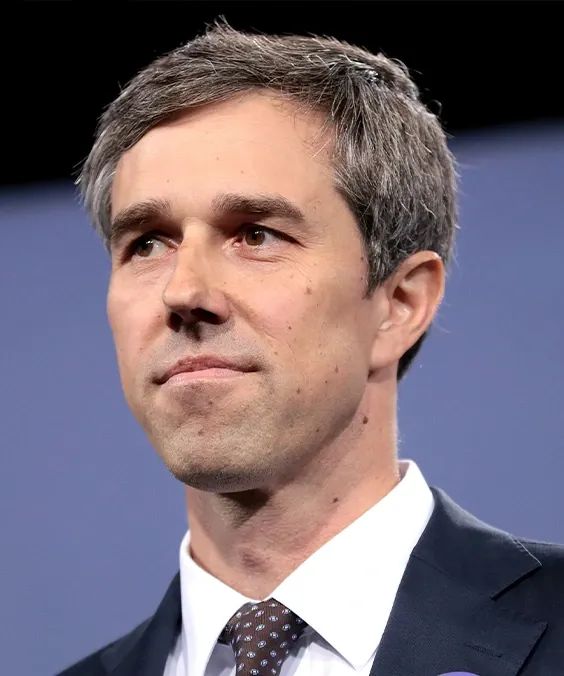
I want to thank the ranking member for yielding, number one. Number two, I want to thank him for the steady leadership he has provided as the ranking member. I also want to thank my good friend from Texas, John Culberson. We go back to the…
Henry Cuellar
The Public Record
Henry Roberto Cuellar is a U.S. Representative for Texas's 28th congressional district, serving since January 4, 2005. A member of the Democratic Party, Cuellar has focused on issues such as border security, economic development, and education throughout his tenure. He has been an advocate for bipartisan solutions and has worked on various initiatives to support his constituents in South Texas. Cuellar has held several key positions within the House, including serving on the Appropriations Committee. His legislative efforts often emphasize the importance of funding for local projects and addressing the needs of the border region. Cuellar's long-standing presence in Congress has made him a notable figure in Texas politics.
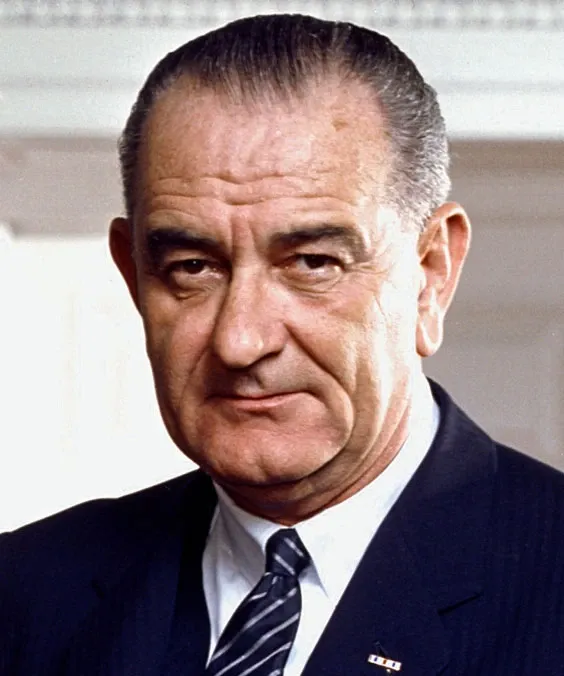
Catch and release is a very sensitive issue that we just don't agree with the catch-and-release situation.
I said you were very courageous under the pressure, and while some people were for it before they were against it--no names mentioned--you stood very firm on that.
I want to see more bridges and not walls or fences on our northern and southern border.
I know -- that, I -- I really feel that he wants to do it. But he is not allowing himself to exert his powers as speaker to get it done.
If we would spend the same type of energy on figuring out how we can pass comprehensive immigration reform, we would be taking a very different direction.
I would rather have Congress handle this. This is the right way, but the president does have precedent in taking this action.
Speaker Boehner, even though I think he wants to do it. You know, he is letting the very conservative part, the Tea Party folks, dictate what he wants to do.
The Supreme Court has said that a president has a lot of flexibility to enforce the immigration laws.
Many people characterize the southern border as being unsafe but today's numbers paint a very different picture.
I thank the Chairman. Madam Speaker, we are sent here to Washington not to address the easy problems, but to address the difficult problems that this Nation is facing. When President John F. Kennedy was faced with a very difficult crisis…
I think any leaders will defined on how he or she will handle a crisis different, and this is certainly a humanitarian crisis.
I do not want to see the human trafficking bill repealed. I just want to make sure that everybody is treated the same, contiguous and noncontiguous country.
I also wanted to comment and publicly commend our local Chief of the Border Patrol Sector, Kevin Oaks, for his policies.
I just hope that we don't confuse the issue of how do we address the situation of drugs coming in or the situation of terrorists coming in.
This is a Federal issue and our local governments and charitable organizations should not be forced to bear the financial burden of providing the most basic of human kindness.
You need to address that issue, getting them back as soon as possible so that that action would send a message throughout the countries.
If we really want to stop the influx of illegal undocumented children, you need to have quicker deportation hearings.
We are a Nation of laws, and right now we have a law on the books that gives these individuals certain rights.
Simply put, comprehensive immigration reform is long overdue, and Congress must work to fix our broken immigration system now.
There is no doubt in my mind that we must do more to end the prevalence of migrant deaths on our Southern Border.