Nov 20, 1989
Section 109 could be construed to prohibit consultation between U.S. officials and other sovereign nations regarding certain actions that nation may wish to undertake.
The Public Record
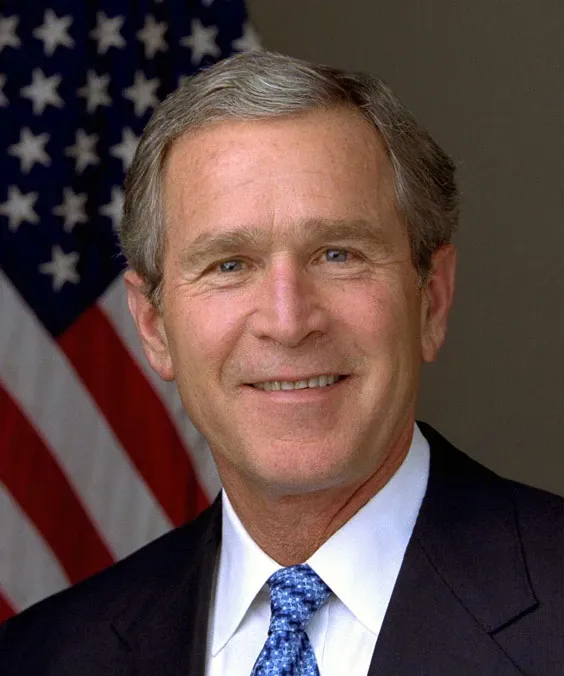
George H.W. Bush was the 41st President of the United States, serving from January 20, 1989, to January 20, 1993. A member of the Republican Party, he previously held the office of Vice President under Ronald Reagan from 1981 to 1989. Bush was a World War II veteran and served in various roles within the U.S. government, including as Director of the Central Intelligence Agency from 1976 to 1977. His presidency is noted for significant events such as the Gulf War and the fall of the Berlin Wall, as well as his efforts in foreign policy and international diplomacy.
Section 109 could be construed to prohibit consultation between U.S. officials and other sovereign nations regarding certain actions that nation may wish to undertake.
I believe it is neither fair nor wise for the Congress to make those who formulate and execute foreign policy serve the public under such conditions.
I want to express my desire to work with the Congress on the 1990 Farm bill and on other related agriculture and rural development legislation.
I consider this Act to be an improvement over earlier versions passed by the House and Senate.
Accordingly, keeping with past practice, I shall treat these provisions as advisory, not mandatory.
Today I signed into law H.R. 2883, the Rural Development, Agriculture, and Related Agencies Appropriations Act, 1990.
There are no serious elements in the United States that want to see perestroika fail.
Every country has sovereign rights; and every country, the way we look at it, has a right to determine its own fortunes.
I sign this bill with the understanding that this provision does not limit the President's authority to name future recess appointees.
I continue, however, to have serious misgivings as to the constitutionality and the wisdom of many provisions contained in the bill.
I decided, however, that on balance the bill's positive features were sufficient to warrant its approval.
However, Section 109 is inimical to that spirit of trust and would cast the shadow of criminal liability over the executive branch in the conduct of our foreign policy.
This Administration will hold the Act's managers to their offer to work to solve this problem at an early date.
Section 109 of the bill would impermissibly constrict the conduct of our Nation's foreign policy.
I am signing this bill because it appropriates funds that in my judgment are necessary to support the Administration's important foreign policy and foreign aid initiatives.
I think there may have been some misunderstanding on the part of some of our Soviet friends about that.
I also want to commend the Congress for removing, at the Administration's urging, a provision that would have required the Rural Electrification Administration (REA) to make highly subsidized direct loans of $252 million.
I am returning herewith without my approval H.R. 1487, the foreign relations authorization bill for fiscal years 1990 and 1991.
Bill D. Colvin will continue to serve as Inspector General of the National Aeronautics and Space Administration.
My decision to sign this bill is predicated on these understandings of Section 582.
Politicians like George H.W. Bush