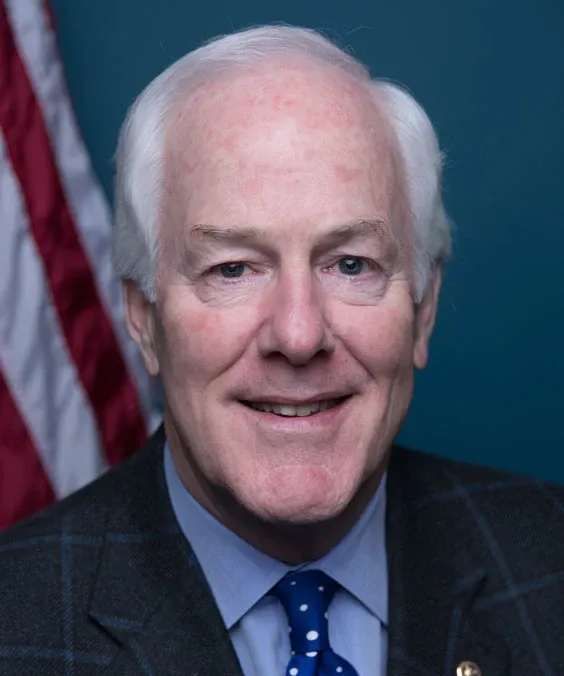
George H.W. Bush
The Public Record
George H.W. Bush was the 41st President of the United States, serving from January 20, 1989, to January 20, 1993. A member of the Republican Party, he previously held the office of Vice President under Ronald Reagan from 1981 to 1989. Bush was a World War II veteran and served in various roles within the U.S. government, including as Director of the Central Intelligence Agency from 1976 to 1977. His presidency is noted for significant events such as the Gulf War and the fall of the Berlin Wall, as well as his efforts in foreign policy and international diplomacy.
Nov 28, 1989
I have signed this bill notwithstanding the reservations that I have with certain of its provisions.
Nov 27, 1989
The National Museum of the American Indian will be dedicated to the collection, preservation, and exhibition of American Indian languages, literature, history, art, anthropology, and culture.
Nov 27, 1989
Our aid must be seed money for free market reform and for the involvement of our private sector.
Nov 27, 1989
I am glad for the opportunity to sign this historic measure and grateful to those whose vision and determination have created this occasion.
Nov 27, 1989
I will be anxious to hear your report on the ways that we can help Poland achieve its democratic destiny.
Nov 27, 1989
I take great pleasure today in signing S. 978, the 'National Museum of the American Indian Act.'
Nov 27, 1989
I don't want to sound self-centered here, but almost every one of those leaders told me: We think the United States is handling this properly.
Nov 27, 1989
What we want for Poland, and what the Polish people want for themselves, is to begin a process of economic development that is self-sustaining.
Nov 27, 1989
Helping Poland rejoin the community of free nations is a task that simply cannot be accomplished by government alone.
Nov 26, 1989
We reaffirm our support for the Afghan resistance's efforts to achieve self-determination.
Nov 26, 1989
I do hereby proclaim the months of November 1989 and 1990 as National Alzheimer's Disease Month.
Nov 26, 1989
Alzheimer's disease is a living nightmare for the millions of older Americans who suffer from it.
Nov 26, 1989
I urge all concerned government officials, health care and social service providers, private voluntary organizations, insurance companies, and the American public to observe these weeks with appropriate programs, ceremonies, and activities.
Politicians like George H.W. Bush