May 16, 2016
One of the major focuses of tax reform must center on helping middle-income Americans and the poor.
The Public Record
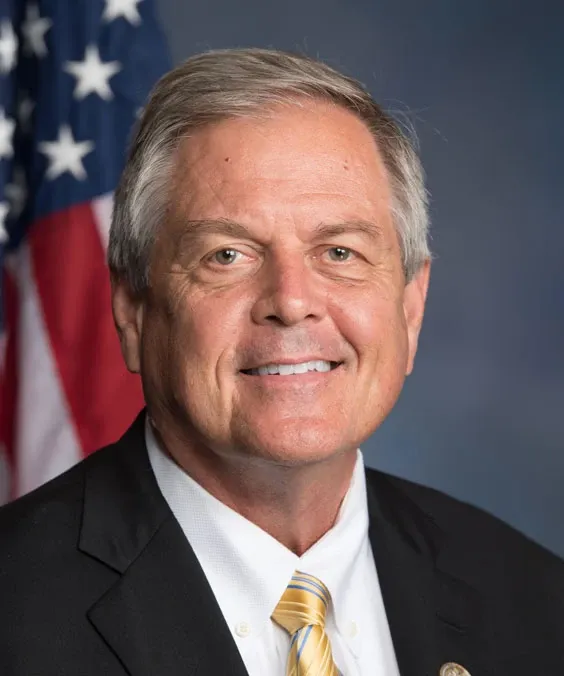
Tim Eugene Scott is an American politician and businessman currently serving as the junior United States senator from South Carolina, a position he has held since January 2, 2013. He is a member of the Republican Party and was previously a United States Representative from May 5, 2011, to January 2, 2013. Scott is known for his focus on issues such as economic opportunity, education reform, and community development. He has been a vocal advocate for updating infrastructure and addressing the needs of senior citizens in his state.
One of the major focuses of tax reform must center on helping middle-income Americans and the poor.
I applaud the chairman for his efforts to make any progress on this antiquated, outdated, should-be-obsolete tax code.
Yeah, I would say some of the pilots that have run, the estimates have been in that range.
I think OPM actually is leading Federal agencies right now in terms of, you know, their efforts and the amount of progress that they've made.
Absolutely. They've been in there side by side with the team at OPM helping not only review, but look at architecture and also build out the plans for the future NBIB technology.
There are at least 6 million people who are involuntarily working part-time because of the absolute oppressive environment that we have in this country from Government red tape.
Our economy is growing at an anemic rate. I think it was 0.5 for the first quarter.
Your competition no longer is simply other businesses, other restaurants, but the oppression sometimes it feels like that comes from the red tape in Government also creates a competitive disadvantage from my perspective.
There has been some confusion from listening to all of the comments on the impact that this rule will have on nonprofits.
If you have enough folks receiving assistance and projecting forward, you will have an opportunity really to have a new culture within a community.
It would be central from my perspective for us to continue to work together to find those opportunities to encourage the private sector.
I look forward to getting my legislation over to your office as soon as possible.
The impact of mental challenges, mental health and mental illnesses, when you quantify it, it is drastic.
I think the clinics that they have started out in the communities, where it does not go on your record, have been really helpful and a step in the right direction.
I think the VA often gets a bad rap. I think they do some very excellent things and some very fine work.
We have so many men and women who have donned the uniform, willing to sacrifice their lives on behalf of this country, on behalf of freedom, and sometimes they get back and it feels like our VA is failing so many of our veterans.
There is something about a human-to-human interaction that, in psychiatry, is particularly powerful.
I have been really frustrated, because my goal is to put a clinician in every single school in America, but now I am finally realizing that that is almost impossible.
I would love to hear your comments on the use of tele-psychiatry and using the whole next iteration of the opportunities from a mental health and a health-care perspective.
We have a broad surface area of old, outdated technology that is hard to secure, expensive to operate, and on top of all of that, the skill sets needed to maintain those systems are disappearing rather rapidly.
The ruling last month by the Sixth Circuit Court that basically, in United States v. NorCal Tea Party Patriots, demanded that the IRS stop their games of delaying and turn over the documents requested by the plaintiffs.
I certainly know firsthand that identity theft is a terrifying experience and one that we should all hope that all taxpayers have an opportunity to avoid.
Politicians like Tim Scott