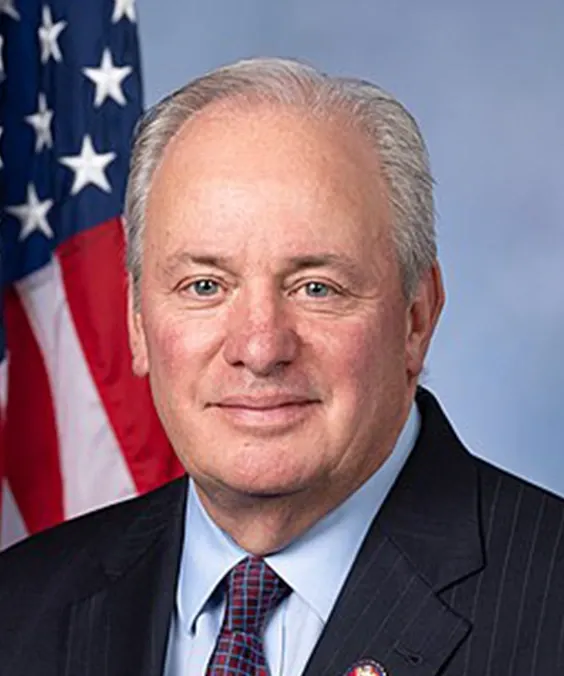
Sep 12, 2011
If we were do it, let's do a $1.5 trillion deficit reduction and let's do it on the backs of those same people.
The Public Record
James Enos Clyburn, commonly known as Jim Clyburn, is an American politician serving as the U.S. Representative for South Carolina's 6th congressional district since 1993. A member of the Democratic Party, he has held significant leadership roles, including serving as the House Majority Whip since 2019. Clyburn is known for his advocacy on issues such as healthcare, education, and civil rights, reflecting the needs of his constituents in a predominantly African American district.
If we were do it, let's do a $1.5 trillion deficit reduction and let's do it on the backs of those same people.
What would it do to those communities and those people if we were to reduce this deficit only by cuts that have been proposed?
If we continue current policy, then it is fair to say that we are going to experience that kind of continued widening of the wealth gap in America
The impact, reducing the unemployment. If you were to drop unemployment from 9.1 to, say, 8.6, can you give us some idea of what impact that would have on the deficit?
In 1986, a Republican President and a Democratic Congress found common ground and came to a bipartisan agreement.
The Tax Code has grown too complicated and cumbersome and is fundamentally unfair.
Well, just let me say, to be certain, I am just as concerned as my good friend Senator Kyl is about fraud and abuse.
Isn't it true that every major economy with which the United States competes really funds their government through consumption taxes?
It is unfair that a number of top corporations who are making record profits pay more to their CEOs than they do in taxes.
We created a new prescription drug benefit program, which CBO estimates will cost $967 billion over the next 10 years.
And then it was declared that deficits don't matter. This special committee was created because deficits and debt do matter.
If we want to solve the related problems of debt and joblessness, we need to know how these problems arose.
Instead of building on the policies that have served us so well, we embarked upon two wars, one of which was dubious at best.
If we had a decrease in unemployment of just, say, 0.5 percent--from 9.1 to 8.6--what would be the level of revenue increase?
Politicians like Jim Clyburn