Jun 10, 2014
The cost of developing a drug has doubled, as has the number of clinical trials necessary to file a new drug application.
The Public Record
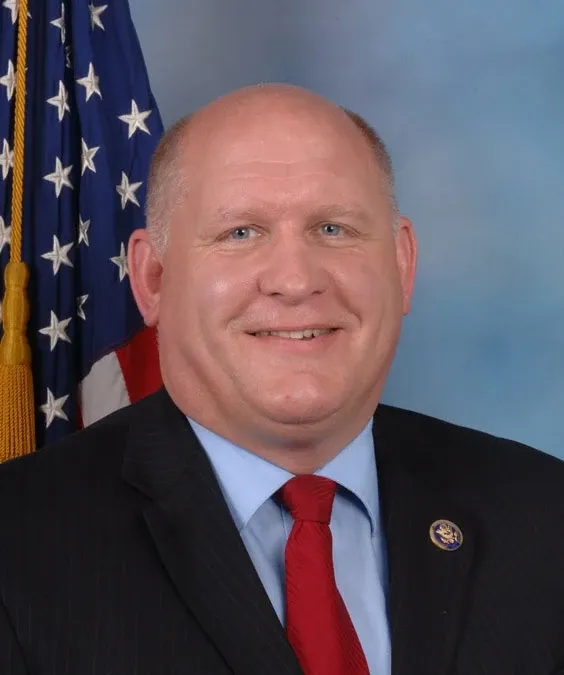
Joseph R. Pitts is a former Republican member of the U.S. House of Representatives, serving Pennsylvania's 16th congressional district from 1997 to 2017. During his tenure, Pitts was known for his focus on healthcare, energy, and family issues, often advocating for conservative policies. He played a significant role in various legislative efforts, including those related to the Affordable Care Act and energy independence. Pitts was also involved with the Pennsylvania Family Institute, reflecting his commitment to family values and social issues.
The cost of developing a drug has doubled, as has the number of clinical trials necessary to file a new drug application.
We must take a fresh look at the challenges facing innovative companies and make certain the right incentives are in place.
After all, as we have learned, there are only effective treatments for 500 of the 7,000 known diseases impacting patients today.
I am particularly interested in better understanding what we can do to make it more attractive for companies and venture capitalists to invest.
Today's hearing provides us with an opportunity to examine an important aspect of the 21st Century Cures Initiative.
Representative McKinley has authored H.R. 4673, a bill that would combine the various post-acute care payments into one reimbursement payment or bundle.
Representatives Mike Rogers and Doris Matsui introduced H.R. 2869, a proposal that would require Medicare to pay for cancer services at the same rate regardless of the site of service.
I and Ranking Member Pallone felt it important for the members of this subcommittee to hear the pros and cons of potential policies in this space.
Today's hearing is designed to educate members on a topic that has come up repeatedly in recent years: site-neutral payments.
I know people who have died of this rare disease. It is a terrible disease, and yet not once did anyone ever mention at that hearing the possibility of accelerated approval.
I urge the committee to address this crisis head-on, and encourage meaningful development in the antibiotic space.
Through this effort, Congress hopes to clear a path to find more cures and treatments while also creating jobs and keeping America as the innovation center of the world.
Congress does not have all the answers, but we do have a role to play in ensuring our Nation's laws and regulations keep pace and complement the biomedical research and innovation that is happening at lightning speed.
Today's hearing relates to the 21st Century Cures Initiative announced by the Energy and Commerce Committee on April 30, 2014.
The bottom line is that until we can attract more physicians to underserved communities and tighten the access gap, the best and most cost-efficient alternative is to improve telehealth networks.
One year ago today, April 30, 2014, the Energy and Commerce Committee embarked on an ambitious, bipartisan goal to develop legislation that would bring the medical innovation cycle of discovery, development, and delivery into the 21st…
As the oversight body, I believe we should be able to see how these funds are being used, the number of applications being reviewed or still pending, and get a clear picture of the division's work.
The 2009 Tobacco Control Act was historic in saving legislation representing the first time the FDA was granted the authority to regulate tobacco products.
I hope that we are going to have supportive testimony from Food and Drug and that the Food and Drug Administration will not let this kind of thing happen again.
These bills touch on very important issues for this committee and they offer an excellent starting point for finding solutions.
I would like to thank all of our witnesses for being here today, and I look forward to having a constructive discussion on these legislative proposals.
Such a solution does not force the DEA to make a particular decision but will provide transparency to the process so companies can better plan when regulatory decisions will be made.
Politicians like Joe Pitts