Mar 31, 2014
One of the great successes in healthcare in the past 30 years has been the introduction and widespread use of generic drugs, saving patients and taxpayers trillions of dollars.
The Public Record
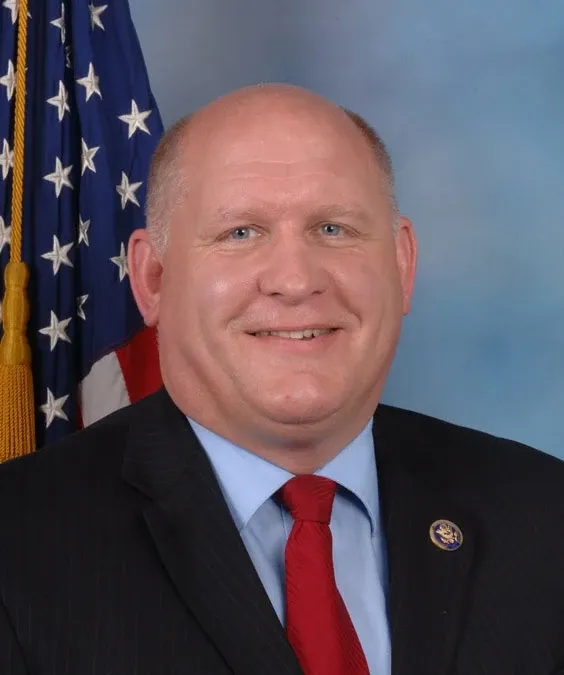
Joseph R. Pitts is a former Republican member of the U.S. House of Representatives, serving Pennsylvania's 16th congressional district from 1997 to 2017. During his tenure, Pitts was known for his focus on healthcare, energy, and family issues, often advocating for conservative policies. He played a significant role in various legislative efforts, including those related to the Affordable Care Act and energy independence. Pitts was also involved with the Pennsylvania Family Institute, reflecting his commitment to family values and social issues.
One of the great successes in healthcare in the past 30 years has been the introduction and widespread use of generic drugs, saving patients and taxpayers trillions of dollars.
May I inquire of the minority how many speakers they have left? We are prepared to close.
May I inquire of the time remaining? The SPEAKER pro tempore (Mr. Duncan of Tennessee). The gentleman from Pennsylvania has 10\1/2\ minutes remaining. The gentleman from New Jersey has 12\1/2\ minutes remaining.
We have groups who have expressed support for this bill: the American Clinical Laboratory Association; the American College of Radiology; Easter Seals; the Family Research Council; the Juvenile Diabetes Research Foundation; the Medical…
At this time, I am pleased to yield 2 minutes to the gentleman from Florida (Mr. Bilirakis), an important member of the Health Subcommittee.
At this time then, Mr. Speaker, I yield the balance of my time to the gentleman from Texas, Dr. Burgess, the prime sponsor of this legislation, who has worked tirelessly to achieve this day.
At this time, I am pleased to yield 1 minute to the gentlelady from North Carolina (Mrs. Ellmers), who is another important member of the Health Subcommittee.
At this time I am pleased to yield 1 minute to the gentleman from Tennessee (Mr. Roe), another cochair of the Doctors Caucus.
I am very pleased to yield 2 minutes to the gentleman from Michigan (Mr. Upton), the distinguished chairman of the Energy and Commerce Committee, one of the chief architects of this bill.
I am pleased to yield 1 minute to the gentleman from Nevada (Mr. Heck), another member of the Doctors Caucus.
At this time, I yield 1 minute to the gentleman from Florida (Mr. Bilirakis), a valuable member of the Health Subcommittee.
At this time, I yield 2 minutes to the gentleman from Georgia (Mr. Gingrey), one of the cochairs of the Doctors Caucus, who has contributed a great deal to accomplish this bipartisan agreement.
I have seen the cuts. When I turned 65 5 years ago, we had four plans to choose from...
Medicare Advantage is fundamentally about offering seniors the choice of better health care than traditional Medicare.
This Administration's policies are harming seniors by reducing their choices of high quality care through a series of cuts to the Medicare program.
We should be encouraging seniors to take control of their healthcare and expanding this proven program.
It is clear, however, in my opinion, that program integrity provisions alone will not provide a sustainable Medicare program for the future.
I don't think CMS should be outlawing seniors' current prescription drug plans by placing arbitrary caps on the number of plans that can be offered.
I urge the President of the administration to come before Congress to seek statutory change.
Politicians like Joe Pitts