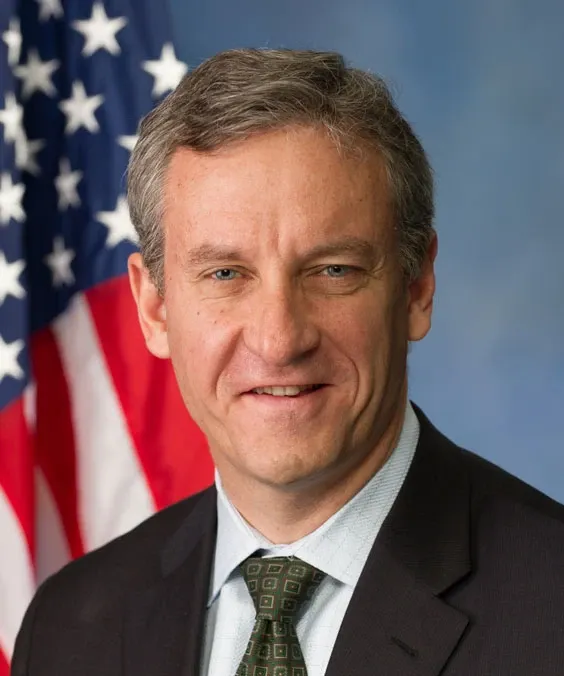
Bob Casey
The Public Record
Robert P. Casey is a United States Senator from Pennsylvania, having served since January 4, 2007. A member of the Democratic Party, he has focused on a range of issues including healthcare, education, and economic development. Throughout his tenure, Casey has been an advocate for policies aimed at improving access to healthcare and supporting working families. He has also been involved in efforts to address climate change and promote job growth in Pennsylvania.
Apr 21, 2009
I think it's further evidence of the chairman's commitment to these issues for so many decades.
Apr 21, 2009
Tropical deforestation, stopping it is essential if we're going to stabilize our climate.
Apr 21, 2009
Copenhagen is an enormously important framework, but if we get a Copenhagen deal done, in my mind that's the start, that's not the finish.
Apr 21, 2009
There are particular industries where there's a real concern about so-called 'carbon leakage.'
Apr 21, 2009
I look forward to working with the administration on how the United States can better assist developing countries to adopt low-carbon economic growth strategies and improve agricultural production.
Mar 31, 2009
Senator Lugar and I introduced the Global Food Security Act, and it was just moved out of committee yesterday.
Mar 31, 2009
I wanted to, first of all, thank each of the witnesses for your testimony, for the perspective that you bring to this issue from long years of experience.
Mar 30, 2009
We can obliterate obesity, too, but we have to have some standards that are ranked right up there with air and water and immunization.
Mar 30, 2009
I am here to help these kids and all kids across the United States beat those odds.
Mar 30, 2009
I think now we are beginning to realize that CEOs know this now better than they used to, that if we don't work on those issues in the dawn of a child's life, you can't even begin to talk about an educated person or a high-skilled person…
Mar 30, 2009
I am a great believer that every child is born with a bright light inside them which represents, of course, their potential.
Mar 30, 2009
So how do you make that work in the context of a desire for national standards, the desire for a national commitment, with a tradition and the reality, not just a theory, but the reality of local control, local decisionmaking?
Mar 30, 2009
I think that any sectarian definition of those who get preference--in other words, saving Iraqi Christians because they're Iraqi Christians--would be a very big mistake.
Mar 30, 2009
Well, thank you. And I wanted to--I know we have to conclude, but--wanted to get your sense of how we're doing with regard to resettlement of Iraqi refugees, in general, but, in particular, whether or not we're doing enough to resettle…
Mar 30, 2009
How about with regard to what our Government's doing, vis-a-vis Syria? Is there more that we should be doing, in terms of any kind of new strategy or new initiative with regard to Syria?
Mar 30, 2009
We cannot rush the return of the refugees, or rush the return of the IDPs, beyond a point where they're not comfortable.
Mar 30, 2009
I want to see it in the context of the United States remaining engaged in Iraq, at least for some period, until Iraq achieves stability.
Mar 30, 2009
I think that we should think of it, still, as a transition for Iraq, and eventually our diplomatic posture in Iraq may look different.
Mar 30, 2009
The Provincial Reconstruction Teams--as our troop presence is diminished and as we drawdown, I'd ask you whether or not you think the PRT's role has to be augmented because of that.
Mar 30, 2009
What is our Government doing? ... the need for someone in the White House to be able to coordinate...
Mar 30, 2009
Which--well, depending on how you count it--but, this was--this was extraordinary.
Politicians like Bob Casey