Jun 17, 2013
Thank you, Mr. Chairman. Mr. Chairman, I think the common ground here is--and I don't think anyone will disagree--that we want to prevent fatigue-related accidents, you know.
The Public Record
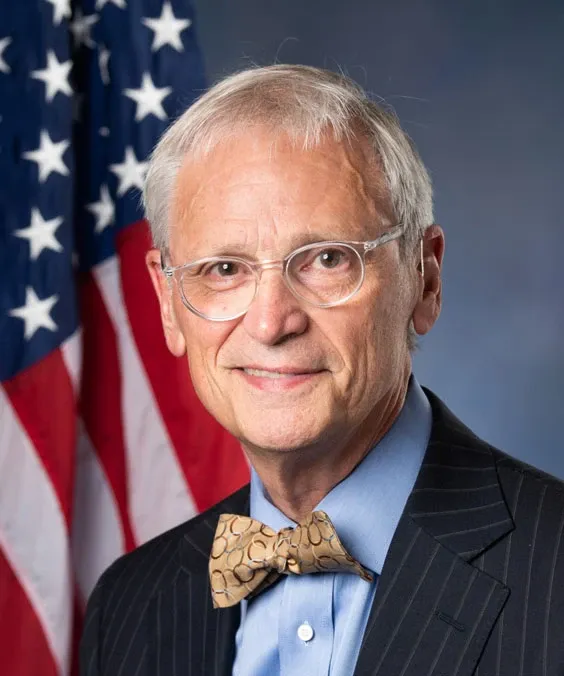
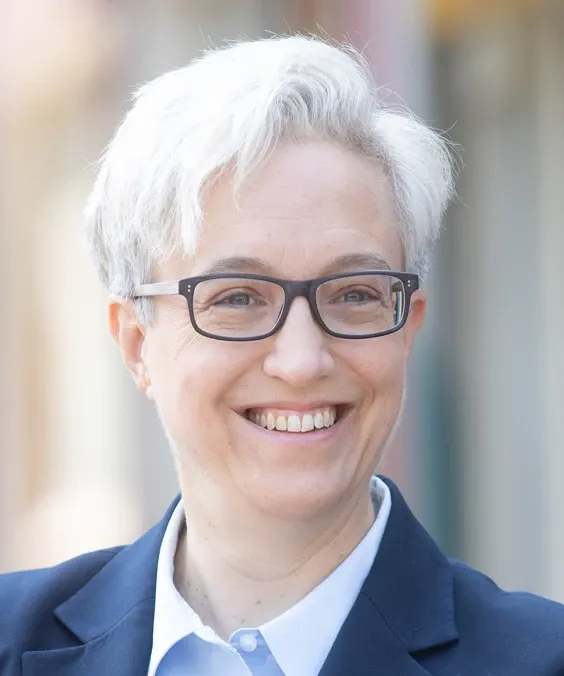
Peter DeFazio is a former U.S. Representative from Oregon, serving in the House from 1987 until 2022. A member of the Democratic Party, he was known for his progressive stance on various issues, including transportation, infrastructure, and environmental policy. DeFazio played a significant role in shaping legislation related to transportation funding and was a strong advocate for public transit and sustainable practices.
Thank you, Mr. Chairman. Mr. Chairman, I think the common ground here is--and I don't think anyone will disagree--that we want to prevent fatigue-related accidents, you know.
I would urge Members, if they really want to do something, join me in my request to this Administration, and they file a WTO complaint against the illegal activities of those member states of OPEC that are in it.
I would also point out that we are quite good at giving them additional tax breaks, as well, on the order of about $4 billion a year.
Thank you, Mr. Chairman. Dr. Noss, you talked at some length about ecosystems, rather than individual species. And that would essentially require a refocusing and potentially a change in the Endangered Species Act, would it not?
I am pretty confident in our oversight, although we have had hearings on that issue also...
Just one last question. Mr. Lewis, you referenced the operational right-of-way issue as a relatively simple--I am afraid it isn't.
I would just ask that each of you who represent organizations take back my idea, look at it--if you got other ideas--but you know, looking at the indexation and bonding approach to take care of both immediate and some longer term problems.
If we adopted the Chamber of Commerce position, and raised the gas tax a nickel, that wouldn't solve the problem in 2015.
If we don't do something, if Congress doesn't do something, in 2015 Federal investment in highways, roads, bridges, goes from $40.3 billion to $100 million.
I am also going to be asking specifically for the witnesses to tell us what the impact of a 98-percent reduction in Federal aid to transit and highways will mean in fiscal year 2015.
I propose that we should index the existing gas tax to both fleet fuel economy average and a construction cost inflation.
I look forward to hearing the perspective of local and State jurisdictions regarding the Federal transportation policy.
I think you are--now, here is a another question which probably goes to GSA.
So, yes, I would say it was extortionate. So we can disagree, but no sane person would pay that rent who wasn't--but the judges are paying that much, apparently.
No, it was extortionate. I could have moved into class A, brand new office space in Eugene and hired private security, and it would have been less than the rent you wanted to charge me.
I have observed, and I walk around this building on a lot of days. There is no one in the building.
Everything I have seen indicates that if we want to prioritize protecting homes from wildfires, we should start in the wildland-urban interface.
If our goals are to protect homes and communities from wildfires, we should do that.
The discussion draft did not include the recent legislation introduced by Senators Wyden and Merkley.
And I believe you looked at an option that would incorporate some of additional public domain lands which are interspersed.
Politicians like Peter DeFazio