Jun 13, 2022
Make no mistake, it is railroad greed that I believe has caused this committee to call us here today.
The Public Record
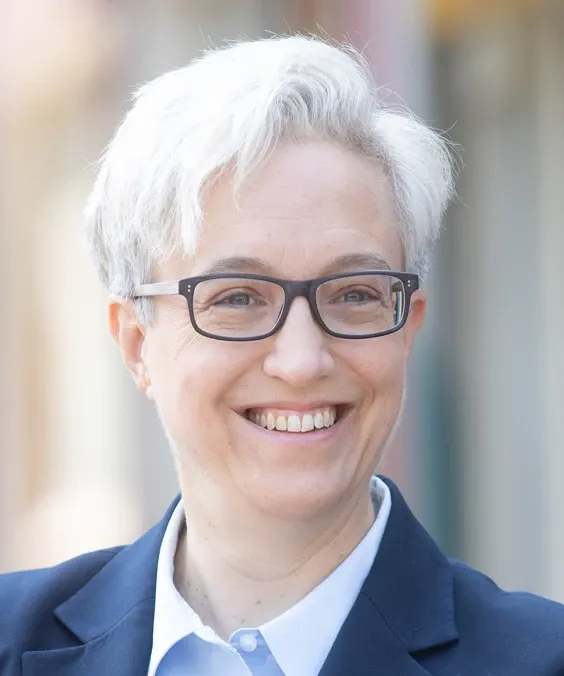
Peter DeFazio is a former U.S. Representative from Oregon, serving in the House from 1987 until 2022. A member of the Democratic Party, he was known for his progressive stance on various issues, including transportation, infrastructure, and environmental policy. DeFazio played a significant role in shaping legislation related to transportation funding and was a strong advocate for public transit and sustainable practices.
Make no mistake, it is railroad greed that I believe has caused this committee to call us here today.
With so much change happening in this industry, this hearing provides an opportunity to examine the current state of freight rail safety and discuss the challenges of the day.
I believe the same considerations that drove Florida to move in this direction, would apply to many states.
The American Traffic Safety Services Association (ATSSA) does not support the flex or transfer of any available funds out of the Highway Safety Improvement Program (HSIP).
Most of the state's funding from FHWA is directed toward added capacity to the roadway transportation system.
We look forward to working with this committee and Congress as well as NHTSA to find technological solutions to traffic deaths and injuries.
We know our roads are unsafe. We know they are fatal. We know what change is needed--and we have the technology to make that change cost-effectively.
We knew this road was dangerous. We knew it could be fatal--because it had been fatal.
For me, as a mother of teenagers, our society's failure to ensure the safety of our roadways is personal.
Let us be clear, too, that despite the forward strides of the IIJA, more can be done legislatively to promote technological innovation that improves roadway safety.
Unfortunately, AASHTO also resists any attempts at, shall we say, dedicating directly money and impinging upon their flexibility.
Making real, substantial progress towards saving lives requires a strong commitment to safety as the highest priority.
Just yesterday, I sent a letter, along with Ranking Member Graves, to Secretary Buttigieg urging U.S. DOT to use the vast resources and authorities provided by Congress in the Bipartisan Infrastructure Law to invest in projects to address…
We have got to do something about this, and I hope that the administration will use the discretion they have to deal with that.
Yesterday, Ranking Member Sam Graves joined me in a letter to the Secretary asking them to find a way to use some of their discretionary money.
The House version of the infrastructure bill included $1 billion for truck parking. There is an absolutely critical shortage of truck parking.
One size, as the ranking member noted, will not fit all, but we want everybody to identify these areas where they are experiencing high fatalities and use these Federal funds to invest and fix it.
We are kind of pathetic in terms of our world ranking: 64th in fatalities per capita on our roadways in America.
This money needs to be invested to resolve these problems. For years, all we emphasized was fast throughput for cars and trucks.
This shows the concern about safety and of the extraordinary increase in fatalities year over year, largest single annual increase ever recorded since we started keeping these statistics.
That is pretty damn shortsighted, and we will see what we can do to help with that.
I tried to correct that in H.R. 2 and want to bring it to the attention of the committee and see if we can do something this year to make all airports eligible, because carbon is not an attainment issue, EPA attainment issue. It is an…
Unfortunately, the aviation industry's contribution to climate change has grown in recent years.
But we shouldn't wait to act until we experience even more disastrous effects of climate change.
Politicians like Peter DeFazio