Jul 18, 2022
Fix it first, do the critical maintenance we need to do, and then, secondly, when you are having a congestion problem, look and see what is the best solution.
The Public Record
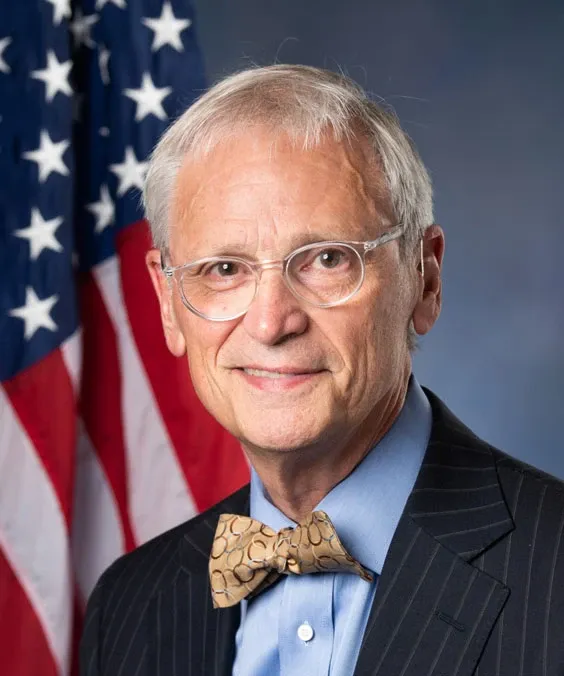
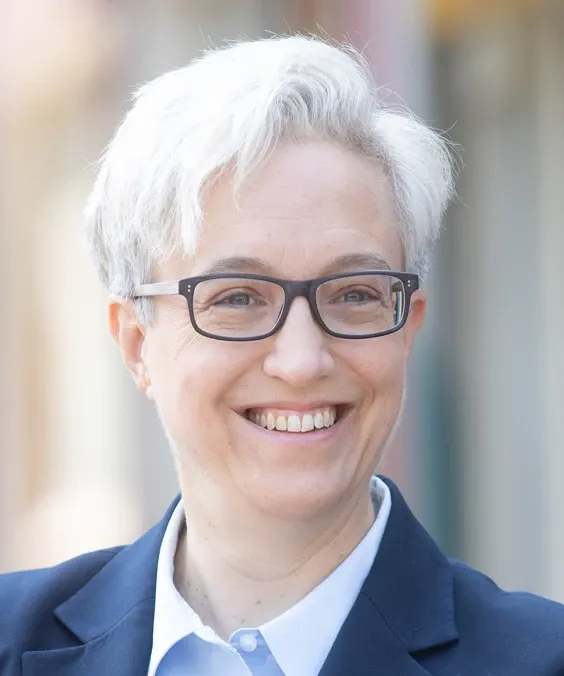
Peter DeFazio is a former U.S. Representative from Oregon, serving in the House from 1987 until 2022. A member of the Democratic Party, he was known for his progressive stance on various issues, including transportation, infrastructure, and environmental policy. DeFazio played a significant role in shaping legislation related to transportation funding and was a strong advocate for public transit and sustainable practices.
Fix it first, do the critical maintenance we need to do, and then, secondly, when you are having a congestion problem, look and see what is the best solution.
But it is a record amount of long overdue investment, and we aren't just, as I said before--and, please, we are not just trying to do Eisenhower 8.0.
Thank you, Chair DeFazio, thanks for being a friend to general aviation businesses. You will be missed.
Thank you for your lifelong commitment and career-long commitment to aviation.
Over the course of my time in Congress, safety has been the cornerstone of my tenure.
The Bipartisan Infrastructure Bill--while a historic, once in a generation investment--is only a dent in what needs to be an ongoing investment in our nation's airports.
We must continue to invest in much needed infrastructure that will allow for this sector of the aviation industry to continue operating safely.
It is an extraordinary system which would help dramatically for GA and allow us to have a lot more airports that could have systems like that.
Out of the IIJA, we allocated $2.5 billion to nonprimary commercial service in GA airports.
Most people don't know how important general aviation is to the economy and the people of the United States.
I am aware of GSA's frustrations with Congress preventing full access to the revenues collected in the Federal Buildings Fund.
That is why I introduced the House companion to the BRIGHT Act, H.R. 7636, which would direct the GSA to install cost-effective and energy-efficient lighting in public buildings.
The Nation needs the railroads to grow markets, not shed traffic or 'collar' cars.
It appears that the major railroads are willing to undertake operations that they know to be unnecessarily problematic for short-term gain.
All seven of the Class I railroads have implemented some form of precision scheduled railroading (PSR), which focuses on driving profits to shareholders by reducing expenses such as important capital assets and workers.
Operation Lifesaver, which this year celebrates the 50th anniversary of its founding in 1972, is a non-profit public safety education and awareness organization dedicated to reducing collisions, fatalities and injuries at highway-rail…
Compounding troubles in the rail industry is the fact that train lengths are growing and so are the number of major derailments.
This is evidenced by multiple amputations and crushing injuries recently occurring to newly promoted conductors.
Employees fortunate enough to have not been affected by the cuts are now voluntarily walking away from what was once the premier blue-collar job in the Nation.
The trajectory for rail safety is alarming, especially if PSR continues with its status quo.
Politicians like Peter DeFazio