May 7, 2019
The plain fact is that the Arctic has emerged as a region in flux due to rising temperatures.
The Public Record
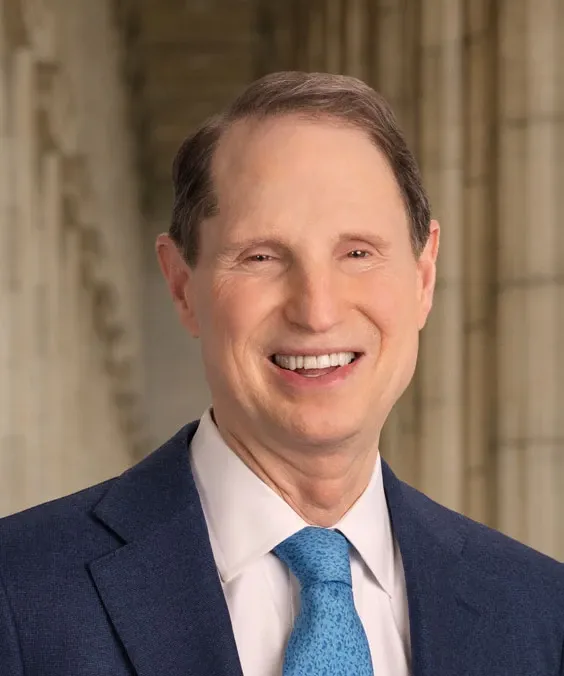
Peter DeFazio is a former U.S. Representative from Oregon, serving in the House from 1987 until 2022. A member of the Democratic Party, he was known for his progressive stance on various issues, including transportation, infrastructure, and environmental policy. DeFazio played a significant role in shaping legislation related to transportation funding and was a strong advocate for public transit and sustainable practices.
The plain fact is that the Arctic has emerged as a region in flux due to rising temperatures.
I am thrilled we are finally on track for an icebreaker, hopefully to be followed by five more.
I applaud the Coast Guard for releasing the 2019 Arctic Strategy. I think that that is a great step forward.
We have got to begin to deal with it much more pragmatically and strategically.
This has been a topic that has escaped the notice of past administrations and the Congress itself.
And also, I go around giving speeches about the pathetic efforts we are making nationally, compared--I mean, I used to say we were becoming Third World. And our colleague, Earl Blumenauer, said to me that it was insulting. I said, "Well…
Supporting policies to complement the innovative work of so many communities across the country is a top priority of mine.
I do expect that we will, in all probability, include Amtrak in our infrastructure package.
These practices should have no place in our country, and certainly not at Amtrak--an American corporation that is majority owned by the federal government and receives billions of tax dollars to subsidize their service.
I appreciate your support. You know it is the most cost-effective way to deal with airport needs for security and capacity.
The most important investment that we can make is in our people and particularly, in our youth.
Adjusting the cap on the PFC would allow airports like PHL to grow, to be economic drivers, to increase competition, and to invest billions in our airports without laying the burden on taxpayers.
Water--clean water, wastewater, and the inland waterways were all subject to the discussion.
It is important that we recognize the canal bridges and other critical evacuation infrastructure across the Nation play fundamental roles in providing for the safety of countless Americans.
I have also been working closely with the Army Corps leadership, both in New England and in Washington, to ensure the safest and most resilient evacuation routes remain a priority.
I just want to opine that I traveled to Spain a number times over the years.
I hope the Committee will draw ideas from this hearing and put forward solutions that have broad, bipartisan support.
Investments in infrastructure are proven to help local economies attract new private sector businesses and the good paying jobs that come with them.
What you did is you knit it together in a way that shows the interdependence and how we have a lot of investments to make.
Twelve years ago today the I-35 Mississippi Bridge in my home district of Minneapolis fully collapsed in the middle of busy rush hour. Thirteen people lost their lives and 100 people were injured.
Since 2010 China has spent roughly 8 percent of its GDP on infrastructure. And, on average, European countries spend an equivalent of 5 percent of GDP. But the United States investment has hovered over 2.4 percent.
America has a long history of building some of the most impressive infrastructure systems in the world, and investing in these vital networks is part of what makes this country exceptional.
Thank you, Chairman DeFazio and Ranking Member Graves, and to the entire committee for giving me the chance to join you today to share my perspective on the vital issues that are under your jurisdiction, and particularly the infrastructure…
Politicians like Peter DeFazio