Apr 9, 2019
It is time we use our legislative authority to correct how Congress funds the operation and maintenance of our commercial harbors.
The Public Record
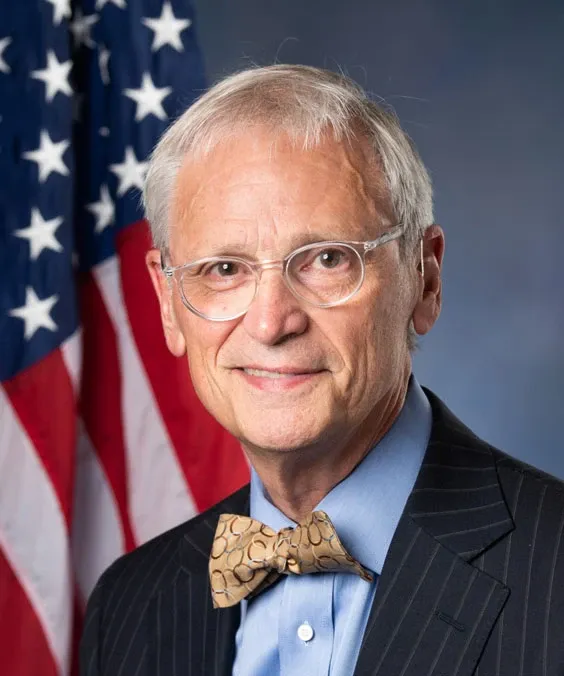
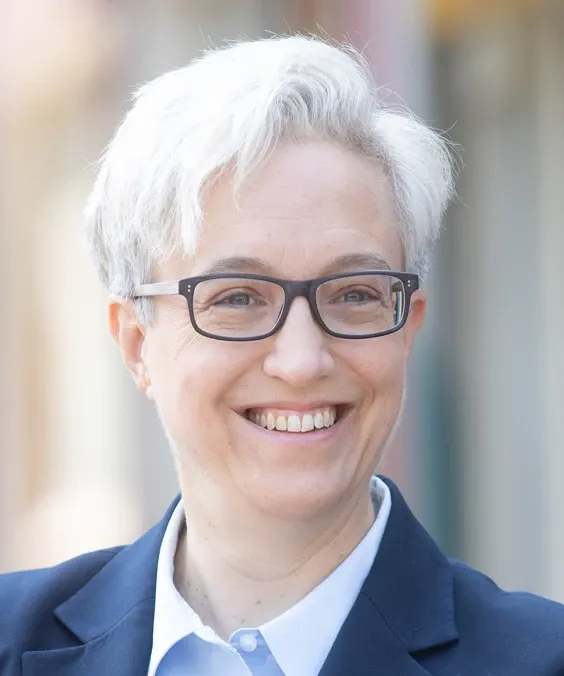
Peter DeFazio is a former U.S. Representative from Oregon, serving in the House from 1987 until 2022. A member of the Democratic Party, he was known for his progressive stance on various issues, including transportation, infrastructure, and environmental policy. DeFazio played a significant role in shaping legislation related to transportation funding and was a strong advocate for public transit and sustainable practices.
It is time we use our legislative authority to correct how Congress funds the operation and maintenance of our commercial harbors.
I am determined, and I am certain this committee will be determined to see that that doesn't happen.
I am happy to work with my colleagues and any of you here on ways to fully utilize the Harbor Maintenance Trust Fund.
Help us get the money, all the money, annually that comes in, spend it, and a plan to in a prudent way spend down the money that Congress has previously diverted.
The American Society of Civil Engineers estimates that our Nation's ports and harbors will need an additional investment of $15.8 billion between now and 2020.
The good news is that we are currently collecting sufficient revenues to adequately maintain our commercial harbors.
Thank you, Madam Chairwoman, for holding this important hearing on the need to invest in our Nation's ports and inland waterways.
We are still having trouble with the White House, not quite as bad as last year.
I hope for better treatment by the Rules Committee this year when we move similar legislation.
The bad news is that Congress, on a bipartisan basis, has frequently underspent the collected taxes, meaning we are taxing the American people for a specific purpose where we have great needs.
The good news is that we do have a revenue source to maintain our harbors, a law enacted during the Reagan administration with a Democratic Congress.
So I look forward to the reauthorization process and working with the chair and the ranking member.
For this reason, I find it perplexing that the Trump Administration proposed in each of its last three budgets to eliminate the EDA.
Should this committee allow the FCC to undercut the opportunity to prevent 37,000 deaths a year so people can download a movie a few minutes faster?
If that weren't bad enough, when you consider that the top causes of motor vehicle deaths are drunk driving, speeding, and distractions, you realize these deaths are entirely preventable.
Pedestrian deaths have also risen sharply in the last decade--an increase of 45 percent since 2009.
Politicians like Peter DeFazio