Sep 23, 2019
A New Rail Title can transform the transportation paradigm so as to reduce the nation's congestion and carbon footprint while binding area economies.
The Public Record
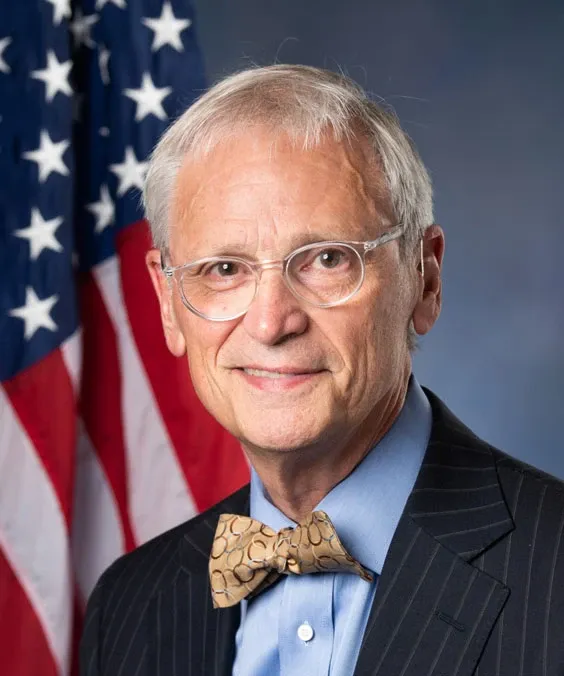
Peter DeFazio is a former U.S. Representative from Oregon, serving in the House from 1987 until 2022. A member of the Democratic Party, he was known for his progressive stance on various issues, including transportation, infrastructure, and environmental policy. DeFazio played a significant role in shaping legislation related to transportation funding and was a strong advocate for public transit and sustainable practices.
A New Rail Title can transform the transportation paradigm so as to reduce the nation's congestion and carbon footprint while binding area economies.
It is important that we recognize the Federal partnership that exists to allow these commuter rail networks to flourish.
The administration has no legal standing or standards by which they can roll back Washington State's fish consumption rule.
You are going to reverse those efforts that will allow up to 90 percent more pollution by these persistent toxic materials.
But you are saying some percent. Eight thousand, ten thousand, twelve thousand polluters would no longer be regulated because those permits would just go away.
So maybe before you propose anything, you should go out and get some damn data.
So you are proposing to undo protections on intermittent streams, ephemeral streams, and wetlands, and you don't know what the impact of what you are proposing would be.
We are just going to go back to this very confusing time with that as a directive?
Thank you, Madam Chair, for letting me go out of order because of my schedule constraints.
The losers are our families, our local communities and businesses, and our environment that will have to live with the long-term consequences of dirty water.
Clearly, the winners of this administration's roll backs are the developers, manufacturers, and corporate farmers that don't want to be responsible for the pollutants they dump into our rivers and streams.
President Trump often says he wants 'clean water,' but, time-after-time, his actions undermine or eliminate existing protections of our waters and put the health of our families and our local economies at risk.
The administration's next step is to roll back the scope of waters covered by the Act.
The Trump administration has taken and is taking several misguided, misinformed, and fundamentally flawed actions that will undo the progress we have made.
But you people have the gall to try and do all this stuff administratively, dismantle more than half a century of progress.
This is unbelievable. You know, I sat in this committee back during the Gingrich era...
Think of the broke Federal Flood Insurance Program already in huge deficit and the challenges that FEMA has.
Politicians like Peter DeFazio