Mar 16, 2021
Federal policies and programs that support this transition will be bolstering an industry with real momentum and providing a cleaner and healthier environment for future generations.
The Public Record
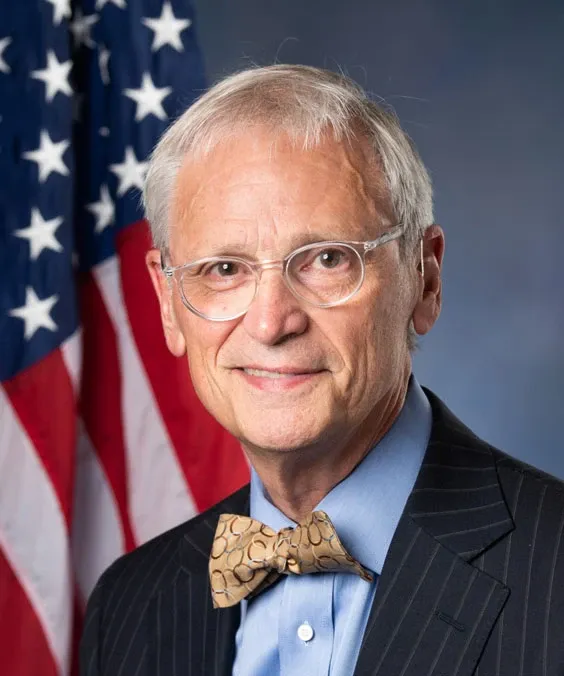
Peter DeFazio is a former U.S. Representative from Oregon, serving in the House from 1987 until 2022. A member of the Democratic Party, he was known for his progressive stance on various issues, including transportation, infrastructure, and environmental policy. DeFazio played a significant role in shaping legislation related to transportation funding and was a strong advocate for public transit and sustainable practices.
Federal policies and programs that support this transition will be bolstering an industry with real momentum and providing a cleaner and healthier environment for future generations.
Thank you for accepting my testimony to the committee on 'The Business Case for Climate Solutions.'
Communities with strong transit, walking, and bike access to jobs and services produce lower greenhouse gas emissions.
We believe that rates determined by commissions are really what are going to help the issue of affordability.
I said, 'well, you have got to change that, or we are going to continue to lose market share.'
I have raised that issue about the fact we can't give an adjustment for our income tax, and they have the VAT.
We are still living off the legacy of President Eisenhower to the detriment of our safety, our economy, our communities, and our environment. It is time to get out of the 1950s and move forward on a transformational infrastructure bill…
The investments and overarching focus on reducing emissions through H.R. 2 are exactly the bold steps that climate change and the opportunity for jobs and new industries demand.
How this is a responsible use of their tax dollars; or What is so unique about the EV sector that fosters the unfounded belief that central planning will work this time when every previous attempt has failed?
Our business organizations urge your committee to update the federal transportation program to measure success by access to destinations--not vehicle speed.
This is not about whether we need either private voluntary reductions or government measures. This is an all-hands-on-deck situation.
Today's hearing marks an important step on the path to a more sustainable transportation future.
Failure to protect assets and to invest in emissions reductions will have real financial consequences to businesses and transportation agencies both now and in the long run.
I have looked into hydrogen. We have got a number of very difficult problems.
Electrifying transportation is critical to helping the United States compete for investment, advance technological innovation, grow our economy and address climate change.
With Congress's support, we can do even more to expand our impact and amplify the benefits of passenger rail for the environment and the economy.
You only need to talk to Chairman DeFazio, who for years made it his personal mission to put together the millions of Federal, State, and local dollars needed to save the Coos Bay line.
People are sick and tired of spending an hour and a half to drive 20 miles to get home from work.
Climate change is an existential threat to our very existence. Burying our heads in the sand is not going to work.
Someday a tunnel is going to collapse, going to cut off the Northeast. We need to rebuild that tunnel, as well as make other major improvements on that line and also look around the country, where we can facilitate better movement of…
Politicians like Peter DeFazio