Feb 23, 2021
We say, oh, we made progress because, gee, the rate, the percentage, given miles traveled, is down.
The Public Record
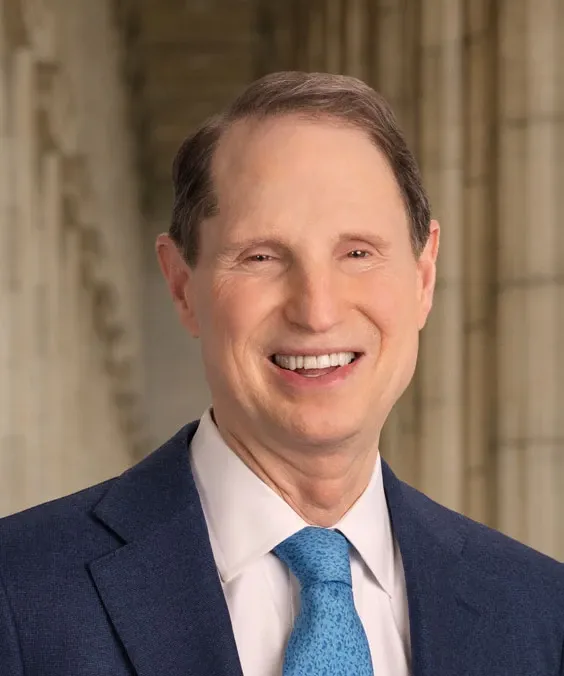
Peter DeFazio is a former U.S. Representative from Oregon, serving in the House from 1987 until 2022. A member of the Democratic Party, he was known for his progressive stance on various issues, including transportation, infrastructure, and environmental policy. DeFazio played a significant role in shaping legislation related to transportation funding and was a strong advocate for public transit and sustainable practices.
We say, oh, we made progress because, gee, the rate, the percentage, given miles traveled, is down.
This is an important hearing, and I expect we will get direction today and help from our witnesses in how we can deal with this long-term, persistent problem with traffic stops.
There are better ways to do this, innovative and interesting ways to do this, using 21st-century technology.
We want to incentivize the wastewater districts to capture their methane, 26 times as potent as CO2 in causing climate change.
At the current level of investment, it would take 171 years to bring the existing systems up to a state of good repair, and that does not even include areas that do not have systems, like Tribal Territories and others.
I would like to thank the House Committee on Transportation and Infrastructure chair Peter DeFazio and the Subcommittee on Water and the Environment chair Grace Napolitano.
So these investments will yield huge benefits--economic benefits, returns to cities, counties, States, and the Federal Government in terms of taxes and economic activity, with good, safe growth that does not jeopardize the environment.
Today's hearing will highlight the tremendous infrastructure needs facing this nation, as well as the consequences to everyday Americans from Congress's failure to invest in our water-related infrastructure systems.
Prioritizing frontline port workers' eligibility for vaccination and ensuring adequate vaccine supply is the only sure way to safeguard the supply chain.
I said, well, how is it free when we have to compete with the Communist government of China? That is not a free market.
It is essential that the U.S. maritime industry maintain a state of readiness and sustain our critical responsibility in the supply chains.
As our President says, build back better, and we are going to build back better.
We can be one again. But we can't compete with virtual slave labor, poorly maintained ships, et cetera.
This President has already mentioned his strong support for the Jones Act, unlike the last one, who didn't even know what it was.
We cannot, and should not, have to compete with foreign-flag vessels that are flagged in countries that really don't exist, like Liberia.
I supported adoption of that program as part of a T&I Committee amendment which also included assistance for port development and mariner education and training.
I applaud President Biden for affirming support for the Jones Act; the industry needs strong Federal support in order to weather this storm.
Congress is an independent entity. So we are going to accomplish his goals and some of our own.
If we don't do this, we are going to have a bigger bill for Americans to pay later.
This program has to continue for the people that this directly affects and the stress and strain that they are under right now.
It is urgent that we get this done before March 1st because people are going to be making life-changing decisions based on whether or not they have a job.
I appreciate your voice and the chairman's voice and the ranking member's voice, and all our voices, in urging President Biden to include an additional round of PSP funding in any coronavirus package.
Thank you for holding this hearing on the important steps that need to be taken to protect all transportation users from COVID-19.
Politicians like Peter DeFazio