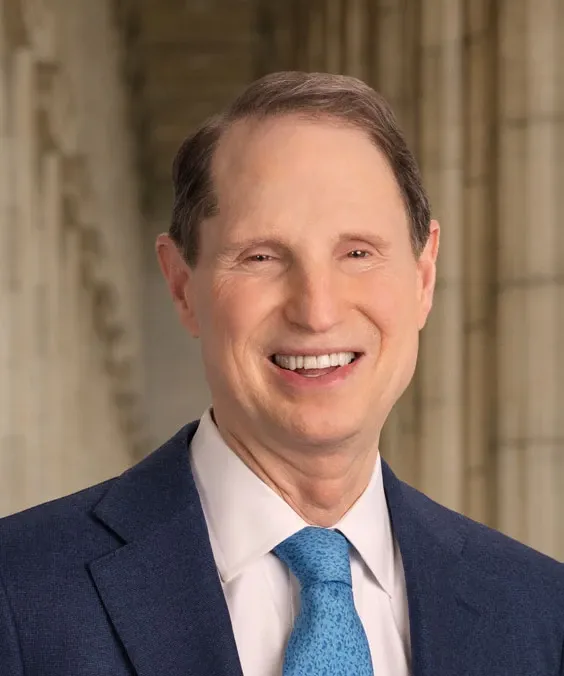
Peter DeFazio
The Public Record
Peter DeFazio is a former U.S. Representative from Oregon, serving in the House from 1987 until 2022. A member of the Democratic Party, he was known for his progressive stance on various issues, including transportation, infrastructure, and environmental policy. DeFazio played a significant role in shaping legislation related to transportation funding and was a strong advocate for public transit and sustainable practices.
Jun 14, 2021
Called on the FMC to ensure that ocean carriers are abiding by U.S. law and are not engaging in unjust and unreasonable shipping practices
Jun 14, 2021
I support what the ranking member just said, in terms of potentially moving toward a solution to this issue.
May 18, 2021
The system itself, as it was set up, Mr. DeFazio does not think should be law.
May 18, 2021
This is a very cumbersome, very difficult-to-implement system, and a lot of people are unaware...
May 18, 2021
We urge Congress to act swiftly to provide communities the tools and resources they need to modernize their infrastructure.
May 12, 2021
The pivot to working from home--largely considered a success--may profoundly alter the work-life dynamic in favor of American workers.
May 12, 2021
The losses we have incurred over the past 14 months are extraordinarily painful.
May 5, 2021
Investing in high-speed rail is a great way to walk the walk. Investing in rail creates middle-class jobs, which cannot be exported.
May 5, 2021
We do think cabotage requirements should apply to passenger rail industry operations, just as they do to commercial aviation.
May 5, 2021
In conclusion, we urge you to pursue upgrades to the nation's existing rail infrastructure, including high-speed rail, in lieu of the SCMAGLEV.
May 5, 2021
We urge significant investments in both the Amtrak and commuter rail improvement programs.
May 5, 2021
I look forward to working with my colleagues on this Subcommittee to examine ways in which we can facilitate increased passenger rail opportunities for Americans across the country.
May 5, 2021
The ability to create a multi-state passenger rail commission would undoubtedly help to make this proposal a reality.
May 5, 2021
Investing in high-speed rail will contribute to lower emissions and a smaller carbon footprint.
May 5, 2021
We are here today to discuss the once-in-a-generation opportunity we have before us.
May 5, 2021
Let's talk about 21st-century technology, 21st-century solutions, not 1950s, not 1870s--the 21st century.
May 5, 2021
If you could get to Portland in less than an hour, I think you would see a massive hemorrhaging of people away from the overcrowded Interstate 5.
Apr 20, 2021
I write to strongly reject the claims unfortunately placed before the Subcommittee, which amounted to nothing more than baseless attacks.
Apr 20, 2021
This claim describes a world where every single contractor plays by the rules.
Apr 20, 2021
Any erosion of this mechanism is an erosion of the wages and benefits of blue-collar workers in the construction industry.
Politicians like Peter DeFazio