Apr 20, 2021
Is there a real solid business case for these sorts of projects that penciled out in favor of the ratepayers?
The Public Record
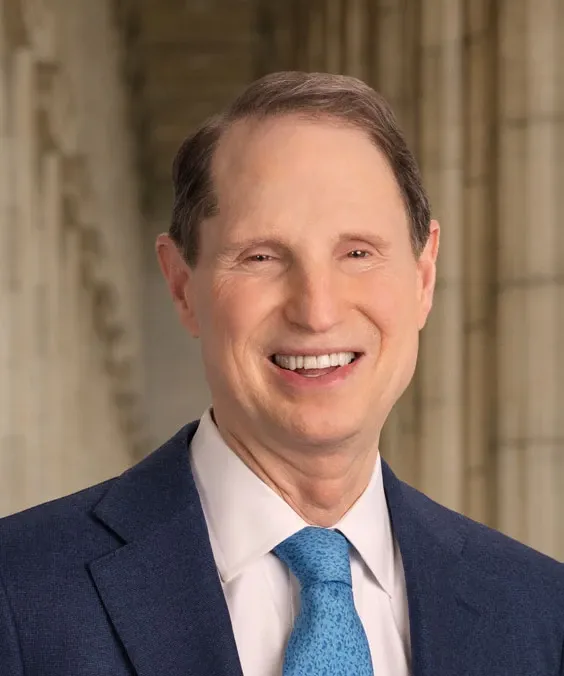
Peter DeFazio is a former U.S. Representative from Oregon, serving in the House from 1987 until 2022. A member of the Democratic Party, he was known for his progressive stance on various issues, including transportation, infrastructure, and environmental policy. DeFazio played a significant role in shaping legislation related to transportation funding and was a strong advocate for public transit and sustainable practices.
Is there a real solid business case for these sorts of projects that penciled out in favor of the ratepayers?
Thanks, Chair Napolitano, and thanks for holding this hearing. It is particularly auspicious that we are here the day before Earth Day to discuss the sustainability of the Nation's wastewater infrastructure.
We don't want to pour money into outdated, inefficient infrastructure, infrastructure that is not going to meet the challenges of the future.
Tomorrow is Earth Day, so it is fitting we are here to discuss innovative ways to address the resiliency and sustainability of our nation's wastewater infrastructure.
This hearing builds upon our efforts across all modes of transportation to reduce carbon emissions in order to address climate change.
We want to be the innovator in these areas, we want to lead the world, and we want to begin to export these technologies.
There is a company in my State called Element One, and their technology utilizes seawater--the most, I guess, plentiful thing on Earth--and methanol to produce hydrogen, to run hydrogen fuel cells, and run a hydrogen fuel-cell ship.
They are already moving away from the dirty bunker fuels under an international agreement.
I think I have tasked every subcommittee to look at ways to reduce carbon emissions within their jurisdiction.
I think now that folks are becoming aware that the majority of everything they consume is involved in maritime transportation.
Ohio's workers helped build this country to what it is today, and they stand ready to build the infrastructure that will be funded by this Committee.
This interagency paralysis--which has lasted decades--is a shameful example of government bureaucracy at its worst.
I believe that it's crucial that we increase our efforts to support the production of electric vehicles and electric vehicle charging infrastructure across our country.
I urge the Committee to fund the completion of this crucial transportation network throughout Ohio and Appalachia.
But we must be able to Build Back Better with women included as part of this recovery and jobs package.
Let me be clear about one thing: social infrastructure is infrastructure and it is critical to our overall competitiveness.
We know that in this pivotal time, it's not just how much we invest, but how we invest these funds that will determine whether an infrastructure bill moves our nation in the right direction.
That is exactly what my BUILD GREEN Infrastructure and Jobs Act... will accomplish.
The transportation sector represents the largest source of U.S. greenhouse emissions.
I applaud President Biden's commitment to expanding the nation's EV charging network and building rapidly a network of at least 500,000 chargers.
We must enact the EV Freedom Act, my bill to create a network of high-speed EV chargers across the national highway system in five years.
It's time to expand on that idea and bring America's infrastructure into the 21st century.
For too long the Federal Government has been absent. We haven't adjusted the Federal gas and diesel tax since 1993.
Politicians like Peter DeFazio